WICKNELL’S CASH GIFT IS A PRICE TAG ON ZIMBABWE’S DEMOCRACY
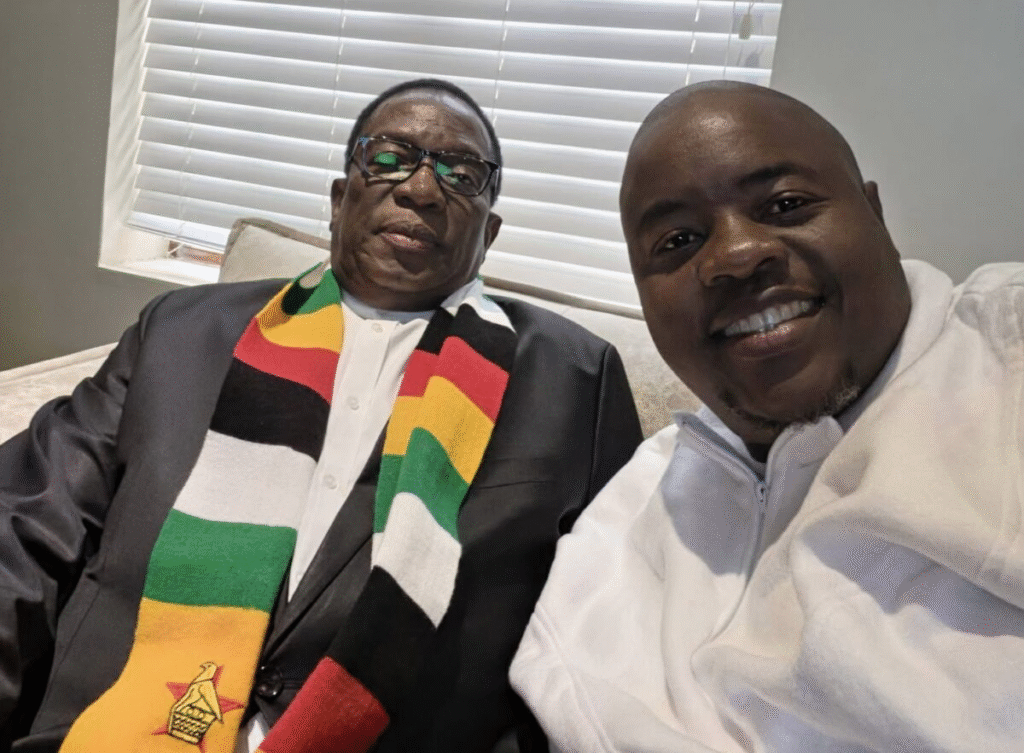
Zimbabweans must stop pretending this is normal. When Wicknell Chivayo stood up on Independence Day and promised US$3.6 million to members of parliament and senators, with Emmerson Mnangagwa’s blessing, he was not giving the nation a present. He was showing us how little ZANU PF thinks our democracy is worth. Ten thousand United States dollars for each legislator. Three hundred and sixty seats. A whole parliament placed on the table like goods in a market.
The country must remove the sweet language around this matter. This is not charity. This is not development. This is not patriotism. It is political money being pushed towards the same people who may soon be asked to vote on Constitutional Amendment Bill Number 3. That bill is meant to open the road for Mnangagwa to remain in power beyond 2028. Chivayo did not have to say it directly. The timing said enough. The message was loud even without those words.
ZANU PF defenders are now trying to clean up the dirt. They talk about boreholes, water schemes, community projects and market stalls. They ask why anyone should complain when money is being offered to constituencies. They also claim that parliament has received support from the United Nations, America, Britain and China before. But that argument is dishonest. Support that comes through public agreements is not the same as cash coming from one politically connected businessman and landing near legislators who are expected to protect the Constitution.
The source of this money makes everything worse. Chivayo is not just an ordinary rich man helping his country. His name is tied to government contracts and public scandals. The Gwanda Solar Project, worth US$173 million, is still remembered by many Zimbabweans as a symbol of failure and looting. For years, people were promised power, but they remained in darkness. The project produced excuses while the nation suffered. Now a man linked to that history wants to present himself as the saviour of constituencies.
This is the problem with Zimbabwe under ZANU PF. People become rich not because they build great companies, create real jobs or invent anything useful, but because they stand close to power. Public money moves into private hands. Private hands then return with gifts for politicians. The same dirty circle keeps turning. What was taken from the people is brought back in small pieces and called generosity. It is a deep national insult.
There is also a clear threat hidden inside this offer. Chivayo has already suggested that if any MP refuses the money, he can find someone else in that constituency to receive it. That is not kindness. That is pressure. It tells legislators that if they refuse to join the game, their own political ground can be weakened. It is a warning that loyalty will be rewarded and independence will be punished.
This is how institutions die. Not always by guns. Not always by soldiers in the streets. Sometimes they die when money is used to silence the people who should speak for the nation. Parliament is supposed to check the president, not receive blessings from his friends. It is supposed to defend the people, not bow before a patronage machine.
Zimbabweans did not suffer through the liberation struggle so that one businessman could buy influence over the country’s future. The donation must be rejected. Constitutional Amendment Bill Number 3 must be defeated. Any legislator who accepts this money must be judged harshly by history. Democracy is not for sale, and Zimbabwe is not a private project owned by ZANU PF and its friends.