THE CONSTITUTIONAL CRIME THAT COST JESSIE MAJOME HER JOB
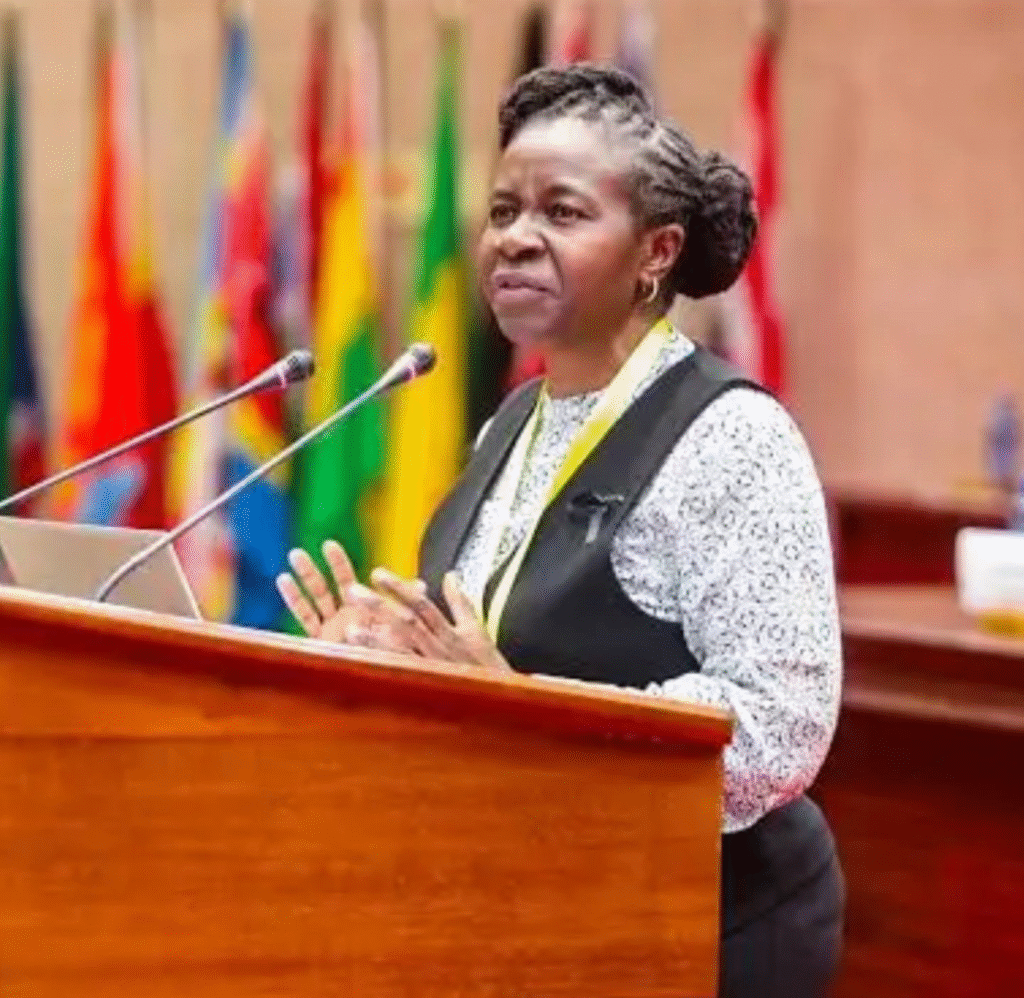
The removal of Jessie Majome as chairperson of the Zimbabwe Human Rights Commission has exposed a disturbing truth about the state of constitutionalism in Zimbabwe. It has shown that those entrusted with power are willing to ignore the very laws they swore to uphold when those laws become inconvenient.
Majome was appointed to lead an independent constitutional body whose duty is to protect citizens’ rights and defend the Constitution. She carried out that responsibility. Yet instead of being respected for doing her job, she was swiftly removed from her position. The speed of her dismissal raised serious questions about the real motives behind the decision.
Government supporters have tried to justify her removal through a series of technical arguments. They claim the commission did not have a quorum when it made certain statements. They argue that consultation procedures were not properly followed. They accuse her of commenting on a process that was still ongoing and claim she should have reported to Parliament before speaking publicly.
These explanations may sound convincing at first glance, but they fail to address the real issue. The problem was never procedure. The problem was what Majome said.
The Zimbabwe Human Rights Commission is established under Section 232 of the Constitution as an independent institution. Its independence is not a symbolic feature. It exists so that the commission can speak honestly and fearlessly, even when its findings are uncomfortable for those in power.
The Constitution also provides a clear process for removing members of independent commissions. Section 237 states that removal can only happen after a tribunal, recommended by the Judicial Service Commission, investigates the matter and finds evidence of misconduct, incompetence, or incapacity.
None of that happened in this case.
No tribunal was established. No recommendation came from the Judicial Service Commission. No finding of misconduct was made against Majome. Instead, she was removed from the chairmanship and reassigned elsewhere through presidential action.
This is why many Zimbabweans view the matter as more than a legal disagreement. It appears to be a direct attack on the independence of constitutional institutions. If the chairperson of a human rights commission can be removed for expressing views that those in power dislike, then the independence of all such bodies becomes questionable.
The timing makes the situation even more troubling.
Shortly before her removal, the commission released a report concerning public hearings on Constitutional Amendment Bill Number 3, commonly known as CAB3. The report highlighted allegations of intimidation, violence, exclusion, and the silencing of citizens who opposed the proposed amendment.
Majome also warned that the bill would weaken citizens’ ability to choose their leaders and concentrate more power in the presidency. Her comments attracted significant attention and sparked national debate.
Only days later, she was removed from her leadership position.
For many observers, that sequence of events is impossible to ignore. It creates the impression that speaking openly about CAB3 carries serious consequences.
The official reasons for her removal also become difficult to accept under closer examination. Complaints about quorum issues arise within a commission that has struggled with vacancies. Objections to public comments ignore the fact that informing citizens is part of the commission’s constitutional duty. Criticism of her engagement with the media overlooks the commission’s responsibility to communicate with the public.
When these arguments are stripped away, one conclusion remains difficult to avoid. Jessie Majome appears to have been punished for defending constitutional principles at a time when those principles were politically inconvenient.
Zimbabweans should pay close attention. The treatment of Majome is not just about one individual. It is about the future of independent institutions, the rule of law, and the protection of citizens’ rights. If constitutional safeguards can be ignored today, there is little guarantee they will be respected tomorrow.