REFERENDUM FIGHT GROWS AS ACTIVIST TAKES CONSTITUTIONAL AMENDMENT BILL NO. 3 TO COURT

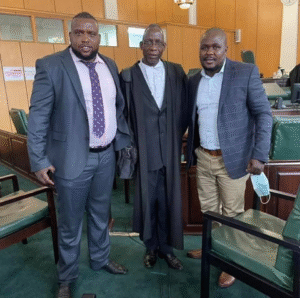
A new legal battle is unfolding in Zimbabwe over the controversial Constitutional Amendment Bill No. 3, with youth activist Youngerson Matete asking the courts to intervene before the proposed changes move any further.
Matete, the founder and executive director of Project Vote 263, a non-partisan organisation that encourages young people to register to vote and take part in democratic processes, has filed an application at the High Court seeking a declaratory order on the amendment bill. His application argues that if the bill secures the required two-thirds majority in Parliament, it should not automatically proceed to the President for assent. Instead, it should first be taken to a national referendum.
The court application names Parliament, President Emmerson Mnangagwa, Justice Minister Ziyambi Ziyambi, the Zimbabwe Electoral Commission (ZEC), and Attorney-General Virginia Mabiza as respondents.
The legal challenge comes at a time when debate over Constitutional Amendment Bill No. 3 is becoming increasingly heated. The bill is expected to be introduced in Parliament next week and has already sparked strong reactions from political parties, civic groups, legal experts, and ordinary citizens.
According to Matete, some of the proposed changes affect sections of the Constitution that are protected under Section 328. These provisions are considered entrenched clauses, meaning they cannot simply be altered through a parliamentary vote alone. His argument is that any attempt to change such provisions must ultimately be approved by Zimbabwean citizens through a referendum.
After filing the application, Matete took to social media to explain why he believes the matter is important.
He said he had approached the High Court seeking an order that would compel Parliament and the Ministry of Justice to refer the Constitutional Amendment Bill to ZEC for a referendum if it passes through Parliament with a two-thirds majority.
He further argued that the courts should stop Parliament from forwarding the bill to the President before a referendum is conducted. In his view, the Constitution belongs to the people and any significant changes to protected sections should be decided directly by citizens rather than politicians alone.
Matete also stated that democracy and constitutionalism must be defended, adding that Zimbabweans should be given an opportunity to decide on constitutional changes that could have long-term effects on the country’s governance system.
The government, however, maintains that a referendum is not necessary. Officials argue that the amendment does not remove presidential term limits and therefore does not trigger the constitutional requirements that would make a referendum mandatory.
Government supporters say the proposed changes are mainly focused on altering the electoral cycle and dealing with administrative issues related to governance. They insist that Parliament has the authority to process the bill without taking it back to the electorate.
Critics disagree. Opposition groups and civil society organisations argue that the proposed amendments touch on matters protected by the Constitution and therefore require direct approval from voters. They warn that bypassing a referendum could set a dangerous precedent and weaken constitutional safeguards designed to protect citizens from political manipulation.
The growing dispute highlights the wider struggle over constitutional governance in Zimbabwe. Since the adoption of the 2013 Constitution, many Zimbabweans have viewed it as a key safeguard against the concentration of power and a foundation for democratic accountability.
As Parliament prepares to debate the bill, attention is now shifting to the courts. The outcome of Matete’s application could have major implications for the future of Constitutional Amendment Bill No. 3 and may determine whether Zimbabweans will ultimately be given a direct say on the proposed changes through a national referendum.