ZIMBABWE’S TRUTH MOMENT: CHIEFS BREAK SILENCE ON GUKURAHUNDI MASSACRES
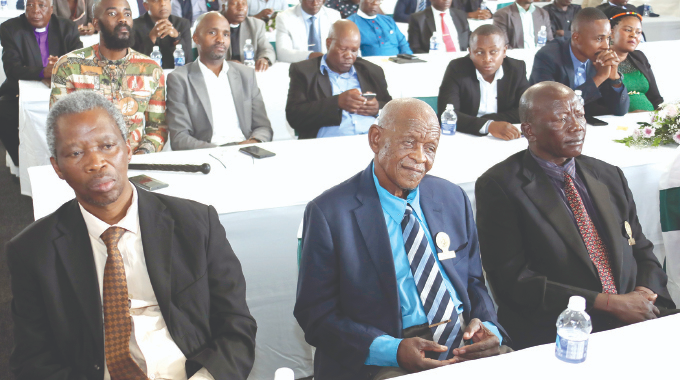
In a move that could mark the beginning of genuine healing for one of Zimbabwe’s darkest and most silenced chapters, the National Council of Chiefs has initiated an outreach program addressing the Gukurahundi massacres. Spearheaded by Deputy President Chief Fortune Charumbira, this long-overdue step acknowledges a harrowing era that saw thousands of civilians in Matabeleland North and South, and parts of the Midlands, slaughtered by the notorious Five Brigade between 1982 and 1987.
In a rare and powerful interview with veteran journalist Ezra “Tshisa” Sibanda in Bulawayo, Chief Charumbira confirmed the council’s commitment to uncovering the truth and amplifying the voices that have been ignored for decades. The announcement sent ripples across the country—stirring hope, skepticism, and long-buried pain. For many survivors, this outreach feels like the first real recognition of the horror they endured at the hands of a state apparatus that has never fully acknowledged its crimes.
The initiative will unfold in two phases. The first involves public hearings in areas most affected by the Gukurahundi killings. These hearings offer survivors, witnesses, and families of victims a platform to share their stories. It is a historic opportunity to document truths that have been suppressed and denied for over four decades. More than just storytelling, this is a defiant act of reclaiming memory and dignity in the face of years of deliberate erasure.
The symbolism of the Council of Chiefs leading this process cannot be overstated. Under the leadership of Chief Mtshane Khumalo, a descendant of the legendary Ndebele military strategist General Mtshane Khumalo, the council represents a bridge between the past and present. This is not just a political gesture—it is cultural, spiritual, and historical. The Ndebele people, long defined by their resilience, are once again being called to stand, not in protest alone, but in power, in healing, and in truth-telling.
For years, the Gukurahundi atrocities have been treated as taboo in national discourse. Victims have suffered in silence. Any calls for accountability have been met with denial, intimidation, or silence from the ruling ZANU PF government—whose hands are soaked in the blood of those lost. This outreach is therefore not a gift, but a long-overdue obligation. Justice delayed has already been justice denied. But the Chiefs’ involvement has sparked a flicker of cautious optimism that perhaps this time, the past will not be buried in political convenience.
It is no coincidence that this process emerges at a time when the Zimbabwean government is increasingly isolated both regionally and internationally. This could be a calculated move to appease global critics, but if done right—with independence, transparency, and a victim-centered approach—it could still become a powerful moment of reckoning and healing. However, activists and communities must remain vigilant. True justice demands not only acknowledgment, but accountability. The outreach must not be used to sanitize ZANU PF’s legacy or protect those who orchestrated the violence.
As the hearings begin, Zimbabwe finds itself at a crossroads. Will this process finally break the silence and bring long-denied dignity to the victims of Gukurahundi? Or will it become yet another page in the country’s history where truth is manipulated, and wounds are covered instead of cleansed?
What is clear is this: the people of Matabeleland and the Midlands deserve more than words. They deserve justice. They deserve reparations. They deserve remembrance. If the Chiefs can hold the line, resist political interference, and center the voices of the people, then perhaps this painful chapter can birth a new Zimbabwe—one where truth is not feared, but embraced.
Let this not be a performance. Let it be the beginning of redemption.


