ZIMBABWE TIGHTENS THE NOOSE ON DISSENT AHEAD OF SADC SUMMIT
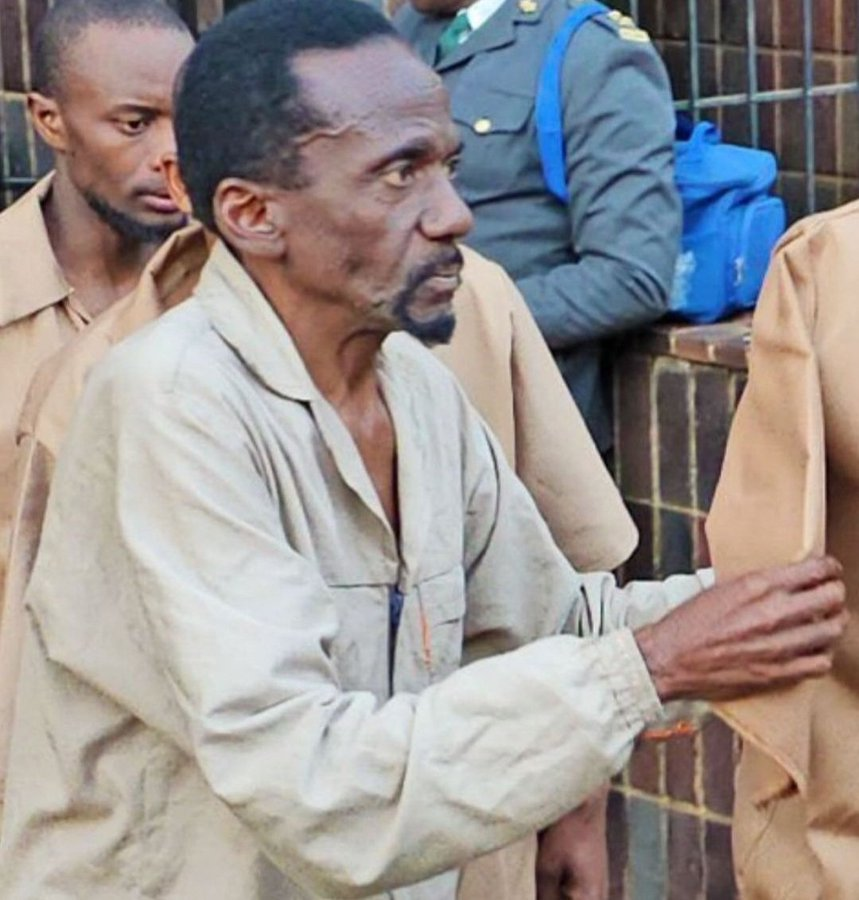
In a chilling escalation of state repression, Zimbabwe’s High Court has upheld the denial of bail to 73 out of 74 opposition activists affiliated with the Citizens Coalition for Change (CCC), just weeks before the country hosts a major Southern African Development Community (SADC) summit. This sweeping ruling, which includes prominent figures like former MP and minister Jameson Timba, highlights an intensifying strategy by the ZANU PF-led government to clamp down on dissent and political opposition under the guise of public order.
Only one activist, Maxwell Sande, was granted bail, solely on account of his age. The exception does little to mask the broader agenda: a concerted effort to suppress voices of resistance in anticipation of heightened scrutiny during the summit scheduled for August 17 in Harare. The activists were arrested on accusations of organizing an unlawful assembly aimed at staging anti-government protests — a charge increasingly used to criminalize legitimate political expression in Zimbabwe.
Justice Munamato Mutevedzi, who delivered the judgment, insisted there was no legal misdirection in the magistrate’s original decision. He maintained that the lower court had exercised proper discretion, and thus there were no grounds to reverse the denial of bail — save for Sande’s case. This posture not only reinforces the judiciary’s complicity in the state’s authoritarian tendencies but also exposes the weaponization of the courts as a tool for political containment.
What’s more revealing is the profile of those detained. Most of the 73 activists come from politically active, low-income urban areas like Chitungwiza, Epworth, and Hatcliffe, and are predominantly under the age of forty. This pattern suggests a deliberate focus on communities known for mobilizing against ZANU PF’s continued misrule. Instead of addressing the root causes of civic unrest — corruption, poverty, and unemployment — the regime has opted to punish the symptoms.
The timing of this judicial clampdown is no coincidence. With regional leaders set to converge in Harare for the SADC summit, the government is desperate to present a façade of peace and stability. By sidelining its most vocal critics through prolonged detention without trial, the regime seeks to mute any potential disruptions and craft a sanitized image for its guests. But this comes at a steep cost: the erosion of democratic norms and the further entrenchment of authoritarian rule.
This ruling adds to a growing list of human rights violations under the Mnangagwa administration, which has systematically targeted activists, journalists, and opposition members since taking office. The parallels to the recent protests in Kenya, which have clearly rattled the Zimbabwean establishment, show how regional developments are now being used to justify even more draconian domestic policies. Fear of uprising has become the justification for pre-emptive repression.
Internationally, the High Court’s decision sends a dangerous signal. It suggests that the Zimbabwean government, emboldened by its grip on the judiciary, is willing to sacrifice justice and fairness to maintain political control. For SADC — an organization built on principles of democracy, human rights, and the rule of law — this crackdown places the bloc in an uncomfortable position. Will it ignore these abuses and allow business as usual? Or will it finally hold Harare accountable?
As the summit draws closer, the world will be watching — not just the speeches and resolutions, but the deeper reality unfolding behind the scenes.


