ZEC TENDER SCANDAL EXPOSES DEEP ROT IN ZIMBABWE’S ELECTORAL SYSTEM
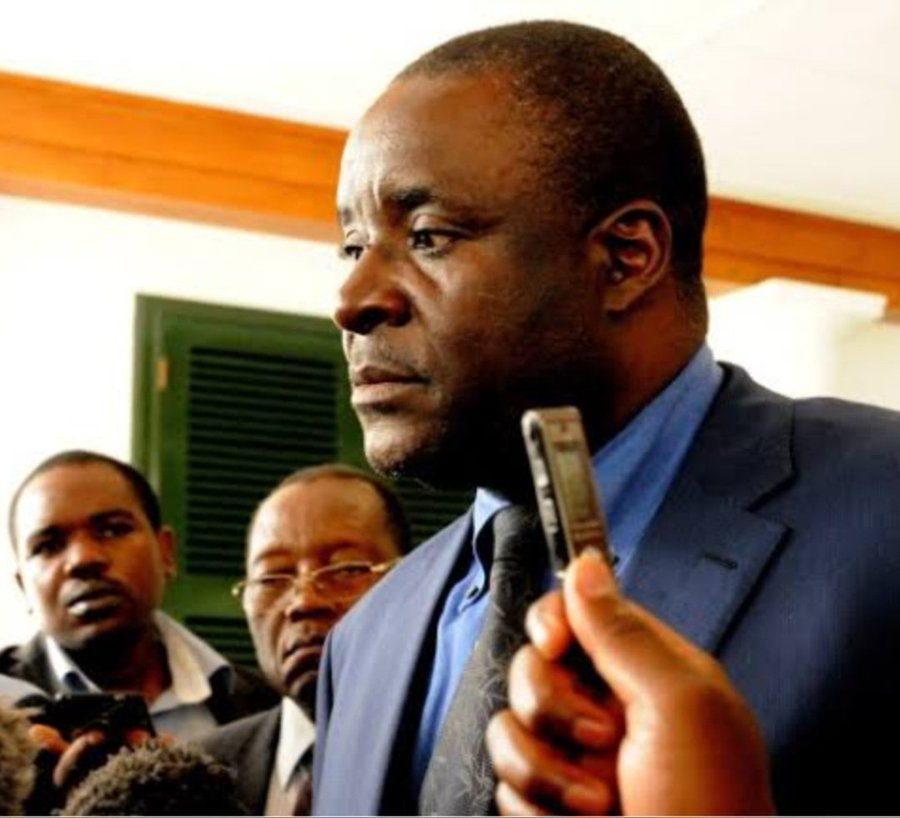
In a storm of allegations that continue to shake the foundation of Zimbabwe’s democratic processes, a major tender scandal has engulfed the Zimbabwe Electoral Commission (ZEC), laying bare a sprawling web of corruption that stretches from the highest offices of power to a circle of connected businessmen. At the centre of the controversy is George Charamba, spokesman for President Emmerson Mnangagwa, who has staunchly defended the administration amidst a growing public outcry over electoral fraud, tender abuse, and systemic looting.
The scandal reveals how millions of dollars were misappropriated through fraudulent ZEC tenders, which were supposed to be used in preparation for national elections. Instead, they have been linked to an intricate corruption network implicating the Office of the President and Cabinet, Chief Secretary to Cabinet Martin Rushwaya, Central Intelligence Organisation Director-General Isaac Moyo, and ZEC Chairperson Priscilla Chigumba. Far from being a rogue operation, the evidence suggests the collusion was orchestrated at the highest levels.
Also caught in the web are politically connected businessmen such as Wicknell Chivayo, Moses Mpofu, and Pedzisayi “Scott” Sakupwanya—names that have become synonymous with flashy lifestyles and suspicious state contracts. Their South African business partners, Thomas Michel du Sart and Angus Carlaw, are also implicated, pointing to the international reach of this tender fraud.
What’s perhaps most infuriating is the manner in which George Charamba has responded to these damning revelations. As a taxpayer-funded civil servant, Charamba has abandoned professionalism in favour of a crude and aggressive defence of the corrupt regime. Rather than addressing the substance of the allegations, he has resorted to toxic exchanges on X/Twitter, targeting journalists and citizens who dare to question the regime’s actions. His venomous attacks against The NewsHawks—the investigative outlet that has courageously exposed this and other scandals—highlight the deep hostility towards media freedom under Mnangagwa’s government.
This scandal is not just about theft. It is about the collapse of integrity within institutions meant to safeguard democracy. The ZEC, which should be an independent arbiter of elections, has instead become a symbol of complicity and compromise. With its leadership implicated and its tenders corrupted, how can Zimbabweans trust the outcomes of future elections?
The issue transcends party politics. It speaks to the broader erosion of governance, where state machinery is repurposed to enrich a connected few while the majority suffer under failing services, joblessness, and economic decay. It reveals a dangerous trend where elections are not won through popular support, but purchased through corrupt deals that drain the public purse and undermine democratic norms.
The bold reporting by The NewsHawks and other journalists has been pivotal. In a country where the cost of speaking truth to power can be detention, assault, or worse, these media professionals continue to shine a light on dark places. Their work exposes not just the scandal, but the deeper disease of impunity that has taken root in Zimbabwe’s leadership structures.
As calls mount for accountability, many remain sceptical that justice will prevail. The individuals implicated wield immense power and influence, and Zimbabwe’s history offers little hope that such scandals result in genuine consequences. Still, public outrage is growing, and the international community is watching closely. The pressure for transparency and reform is building, even as the regime digs in its heels.
This is not just a political scandal. It is a direct threat to Zimbabwe’s fragile democracy. Every stolen dollar, every silenced journalist, every rigged tender chips away at the dream of a free and fair Zimbabwe. Until the corrupt are held accountable, and institutions like ZEC are truly independent, the legitimacy of our elections—and the future of our democracy—will remain in peril.


