TRUTH IS NOT TERRORISM: WHY BAIL IS NOT FREEDOM IN ZIMBABWE
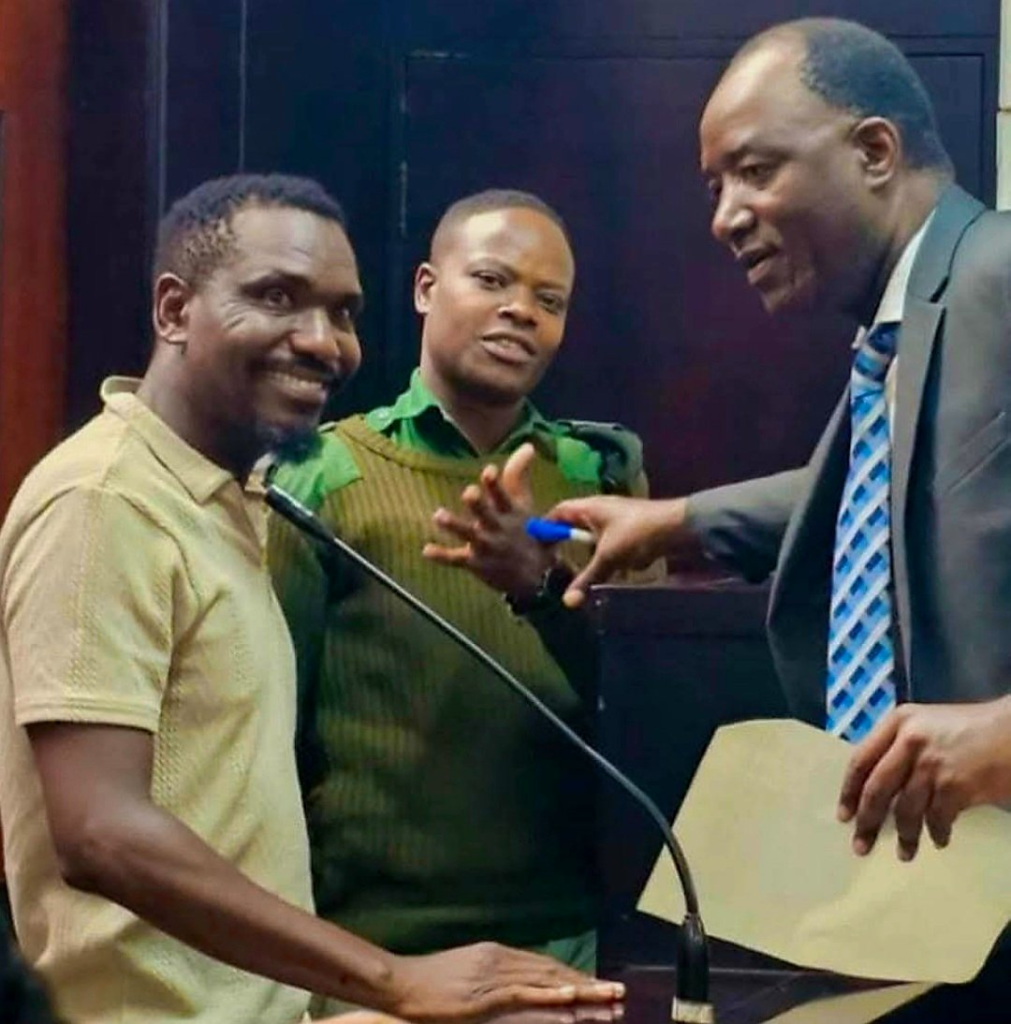
Emmerson Mnangagwa came in 2017 promising a new dawn after Robert Mugabe. He spoke about reform, peace, and open space. Many people hoped for a better country. But what followed was not freedom. It was more fear. It was more arrests. It was a colder silence. The state now punishes anyone who speaks out.
The story of journalist Blessed Mhlanga shows this truth clearly. He spent 72 days in prison for doing his job. He interviewed a ZANU PF member, Blessed Geza, who spoke badly about Mnangagwa. For that, the police said he was trying to cause violence. That was a lie. He was reporting facts. He was doing what a reporter must do: ask, listen, and share. Yet the state used the Criminal Law Act to charge him. Even worse, the Counter-Terrorism Unit took over his case, as if a pen is a bomb. This is how the government now treats the press.
Mhlanga was released on bail, but that is not a victory. He was freed only after 72 dark days and three court tries. Why was he denied before? What changed on the third visit? Nothing. The timing is also telling. His arrest came days before World Press Freedom Day. His release came three days after it. This looks like a stage show for the outside world. Inside, the cruelty remains. The message is simple: we can hurt you, and we can smile for the cameras when it suits us.
This is not a new pattern. Many reporters in Zimbabwe have been beaten, watched by secret police, or jailed without fair trials. The courts say they are independent. Their actions say the opposite. When a court treats bail like a gift instead of a right, the law is no longer a shield. It is a weapon in the hand of power. People see this. Trust dies. Fear grows.
In a normal country, bail is small news. In our country, we clap for it because things are that bad. Speaking your mind now looks like a crime. Asking hard questions feels like a risk. Mhlanga is out for now, but his case is still open. He must return to court. That means the chain is still on his ankle. Other journalists are watching. They are thinking, “If this can happen to him, it can happen to me.” That is the goal. The goal is fear.
Even the name of the unit says it all: Counter-Terrorism. That unit is now used on reporters. If truth is called terror, then lies will rule. Laws like the so-called Patriotic Act and the Peace and Order Act are sold as tools for safety. In practice, they are tools for control. They close mouths. They dim light. They turn citizens into targets.
There is also a clear hypocrisy at the top. Mnangagwa once needed the press when Mugabe pushed him out. The media gave him a megaphone. Now he crushes that same megaphone when it speaks against him. A leader with no principle uses the press when it helps him and breaks it when it holds him to account.
Let us be clear: bail is not freedom. Blessed Mhlanga is not safe. None of us are safe while truth is treated like a threat. We must speak louder. We must defend those who tell the story of our nation. Until the charges are dropped and the law protects the weak, there is no justice. This is not over. The fight must go on. Journalism is not a crime. Truth is not terrorism. Zimbabwe will not be free until justice is real for everyone. It is not yet Uhuru.


