THE FALL OF A FEARED MAN: HOW CRISPEN MAKENDENGE’S STORY WARNS ZIMBABWE ABOUT ABUSING POWER
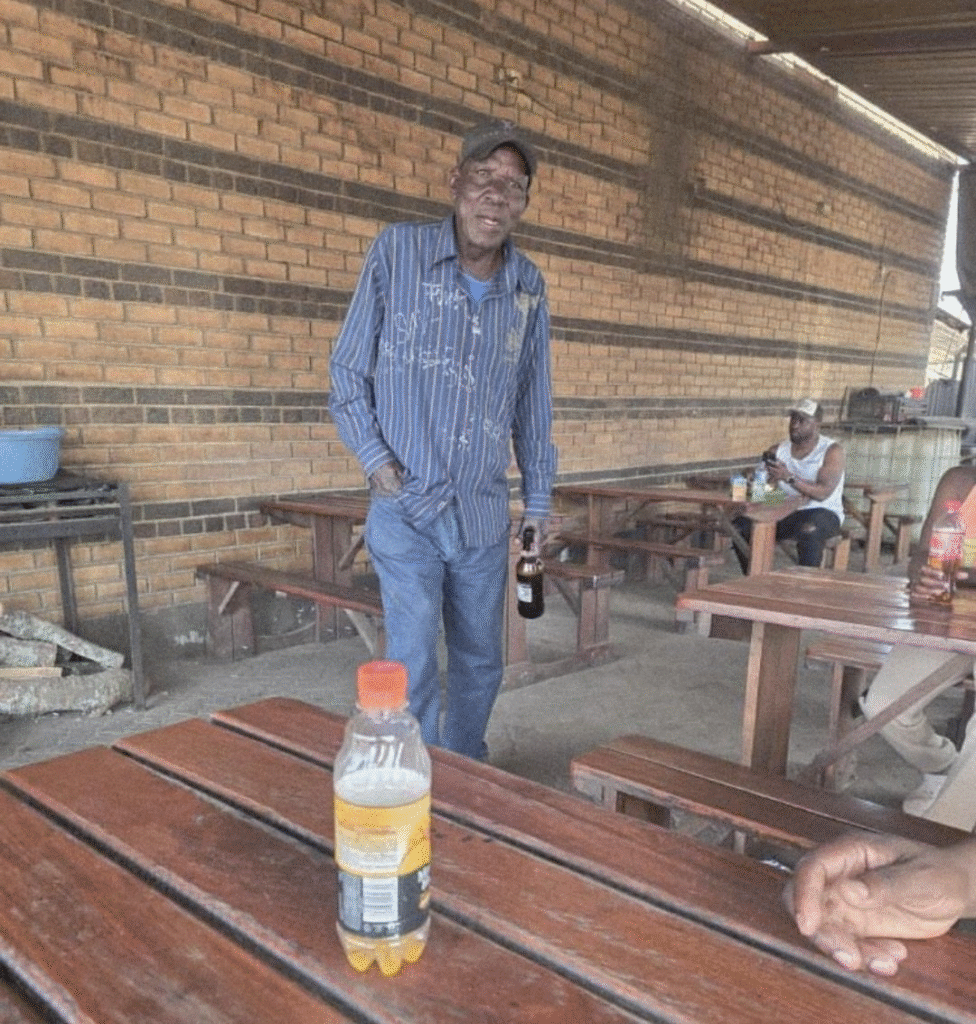
Crispen Makendenge, once feared across Zimbabwe during the rule of the late Robert Mugabe, is now just a shadow of his former self. He was once a powerful man, leading the CID Law and Order Division, and people used to tremble at the sound of his name. He was known for arresting journalists, beating opposition activists, and torturing those who dared to speak out against the government. But today, that same man is living a quiet and painful life. His story has now become a national conversation—a story of how power can rise and fall, and how life itself can deliver justice.
Recently, a photo of Makendenge went viral on social media after it was shared by Crime Watch Zim. In the picture, he looks tired, weak, and unwell. He no longer looks like the strong man he once was. His eyes show pain, confusion, and maybe regret. Across Zimbabwe, people began to talk. Many said this was karma. In Shona, they called it ngozi—payback for the evil things he did to innocent people.
One of the people he tortured, opposition leader Job Sikhala, spoke out. Sikhala said Makendenge used electric shocks on him during torture. Those were some of the darkest days in Zimbabwe’s history, when speaking the truth could get you arrested or killed. But despite all that pain, Sikhala said he would still show Makendenge love and forgiveness. That message shocked many, because forgiveness is not easy when someone has caused you so much suffering. Sikhala said peace is more powerful than revenge. His words reminded Zimbabweans that we must rise above hate, even when we have every reason to be angry.
Makendenge was also known for targeting journalists. He wanted to silence truth-tellers. Some of the journalists he once threatened now work for The NewsHawks. They remember how he tried to stop them from doing their jobs, how he made them fear for their lives. Today, those same journalists continue to write freely, while Makendenge lives in silence. Life has turned the tables. The man who once gave orders and commanded fear now lives in isolation, struggling with mental health problems and fighting his own battles in the dark.
Many Zimbabweans online see this as justice. They say what he is going through is what he made others go through. But not everyone agrees. Some say we should not laugh at another person’s pain. Others argue that his story is a lesson to everyone in power—that when you abuse authority, you will eventually face the consequences. Power does not last forever. When you use it to hurt others, it will one day turn against you.
Makendenge’s fall is not just about one man. It is about the broken system that created him. He was not acting alone; he was part of a machine built to silence the people, protect corruption, and defend dictatorship. He was a weapon used by Mugabe’s government to destroy hope. But today, that weapon is broken. The people are no longer afraid. They are speaking up, telling their stories, and demanding justice.
Zimbabwe is still waiting for real accountability. Many of those who abused power are still free, still living comfortable lives, pretending nothing happened. But the picture of Makendenge has reminded people that life catches up with everyone. Even when the courts fail, time does not forget.
That photo is more than just an image. It is a warning to those in power today. It tells them: do not repeat the sins of the past. Do not use power to destroy your own people. Because one day, the same people you oppress will watch you fall, just like Makendenge.
Zimbabweans are watching. Zimbabweans are remembering. And deep down, the people are still hoping—for justice, for freedom, and for a new Zimbabwe where no one must fear those who hold power.


