RBZ CLAIMS ECONOMIC STABILITY WHILE ZIMBABWEANS STRUGGLE TO SURVIVE
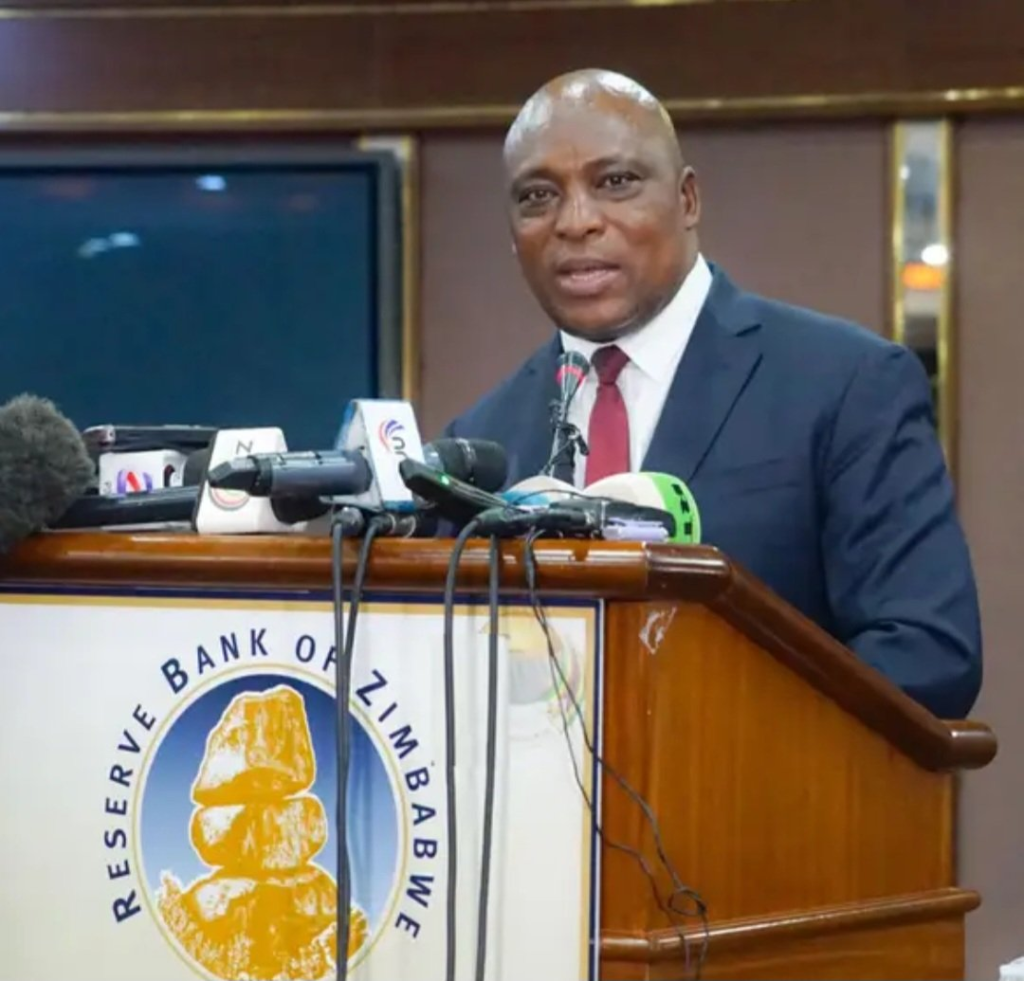
The Reserve Bank of Zimbabwe (RBZ) recently declared victory in its fight against inflation and exchange rate volatility, boasting that the country’s economy is finally stabilizing. According to its latest statement, the bank injected about US$150 million into the market to calm the storm, and now insists that inflation and exchange rate pressures are under control. But for ordinary Zimbabweans, the story on the ground tells a far different tale—one where stability exists only on paper.
The RBZ’s Monetary Policy Committee met on December 3, 2024, and proudly announced that the policies introduced in September have begun to bear fruit. They claimed that by tightening the supply of money and curbing speculative activities, they have brought stability to both the exchange rate and inflation since October. In their version of events, Zimbabwe’s economy is slowly finding its footing again. Yet one must ask: stability for whom?
The committee reported that inflation had fallen dramatically—from 37.2% in October to just 11.7% in November. They explained that the earlier spike was caused by the collapse of the Zimbabwean dollar (ZiG) against the US dollar in September, but that things have since improved. It’s a neat narrative, the kind that sounds comforting in press releases. But it ignores the daily reality of a country where prices still rise faster than salaries, and where the so-called “stable” ZiG continues to lose public trust.
On the exchange rate front, the RBZ boasted of narrowing the gap between the official and black market rates. They credited this to strong foreign currency inflows—US$11.05 billion received in the first 10 months of 2024, a 19.1% increase from 2023. Those numbers look impressive until one remembers that most of this money doesn’t end up in the pockets of ordinary citizens. It flows through the same channels of corruption, elite privilege, and state capture that have crippled the economy for decades.
To keep this supposed progress intact, the RBZ decided to maintain its tight monetary stance. The Bank Policy rate remains at 35%, while reserve requirements are kept at 15% for time and savings deposits and 30% for demand deposits. The government has also introduced a rule forcing companies to pay 50% of their taxes in US dollars and the rest in ZiG—a move that might boost forex supply, but also strengthens the dual-currency chaos that punishes workers paid in local currency.
In another carefully worded promise, the RBZ announced plans for a Targeted Finance Facility to assist struggling businesses. The idea, they say, is to support growth while maintaining discipline in the market. But Zimbabweans have heard this song before. Each new facility, each new policy, is launched with fanfare—yet small businesses still close every day, and citizens still queue for fuel, medicines, and basic goods.
The MPC insists it will continue to “monitor and adjust” its policies as needed to maintain economic balance. However, true economic stability cannot be achieved through manipulation of statistics or short-term injections of forex. It requires accountability, transparency, and a political system that values people over power. None of that exists under ZANU PF rule.
The RBZ may talk of stability, but for the majority, there is no stability in poverty. There is no stability in unpaid wages, in failing hospitals, or in the silent despair of families that cannot afford food. What the bank celebrates as progress is, in truth, a fragile illusion—an economic mirage sustained by propaganda and fear. Until Zimbabwe’s leadership changes, and corruption is replaced by genuine reform, no amount of monetary policy will bring real stability.


