ONE-YEAR-OLD JAILED WITH MOTHER: ZIMBABWE’S SHAMEFUL DESCENT INTO BARBARITY
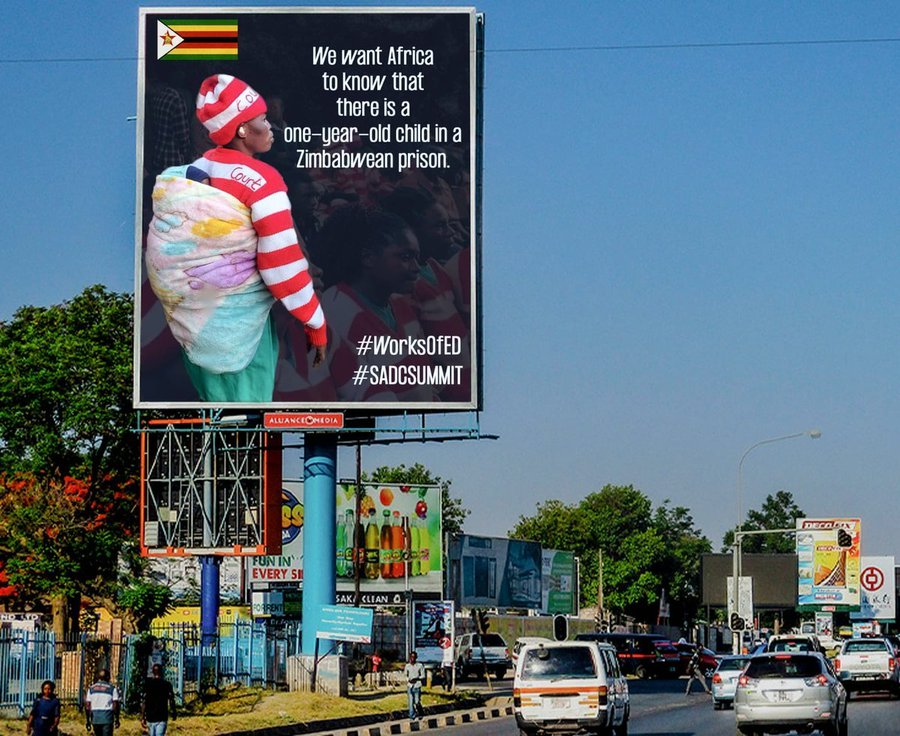
In a display of staggering cruelty and insensitivity, the Zimbabwean government has detained a mother with her one-year-old child strapped on her back. This harrowing incident, under President Emmerson Mnangagwa’s administration, has sent shockwaves across Zimbabwe and beyond. The mother, among dozens of opposition activists including former minister and MP Jameson Timba, was arrested for allegedly participating in an illegal gathering and planning anti-government protests. The sight of a young child behind bars has ignited widespread horror and condemnation, highlighting the regime’s brutal disregard for basic human decency.
Detaining a mother with an infant is not only immoral but also inhumane and deeply damaging to the child’s development. At one year old, a child is in a crucial stage of emotional growth, requiring a safe environment, routine care, and strong attachment to a caregiver. Plunging a child into the filth and chaos of Zimbabwe’s prisons is not just cruel—it is abusive. The noise, fear, hunger, and filth of detention cells are traumatic even for adults. For a baby, they are an assault on the senses and the soul.
Zimbabwean jails are infamous for their overcrowded, unsanitary, and degrading conditions. They are breeding grounds for disease, despair, and death. Now imagine an innocent one-year-old enduring that reality—breathing the same stifling air, exposed to the same danger, and robbed of any semblance of childhood. The psychological scars left by such an experience are not easily erased. Experts agree that trauma in early childhood can have lasting impacts on mental health, emotional regulation, and social behavior. This is not law enforcement. This is state-sanctioned child abuse.
If the mother is breastfeeding, the situation is even more dire. In prison, there is no privacy, no proper hygiene, and no guarantee of access to adequate nutrition. Breastfeeding is a vital source of immunity and comfort for infants, especially in hostile environments. Disrupting that bond is not just negligent—it is a brutal betrayal of everything society is meant to protect. It is a decision that punishes not just a woman accused of political activism but an innocent baby who cannot even speak, walk, or understand what is happening.
This case is more than a human rights violation. It is a moral indictment of a regime that has lost all sense of compassion, restraint, and accountability. The government’s actions show a deep fear of dissent, so severe that even a child is not safe from its wrath. Instead of responding with dialogue and reform, the state is doubling down on repression—no matter who suffers in the process.
The international community must not remain silent. Civil society, humanitarian organizations, and foreign governments must raise their voices and apply pressure. The world must demand the immediate release of the mother and child and insist on an end to this form of political cruelty. Zimbabwe cannot be allowed to normalise this level of barbarity. If a regime can jail babies to silence their parents, what else is it willing to do?
This moment must wake up Zimbabweans who have grown numb to state violence. The arrest of activists is not new. But when a child is caught in the crossfire, it exposes the rotting heart of the system. It is time for citizens to speak out, demand reform, and refuse to accept this as normal. The dignity of one child, and the soul of an entire nation, depend on it.
This is not just an isolated incident. It is a symbol of the cruelty that has come to define the Mnangagwa regime. And it is a test for us all—will we look away, or will we rise and say: enough?


