MUTAMBA’S APPOINTMENT EXPOSES MNANGAGWA’S DESPERATE GRIP ON POWER
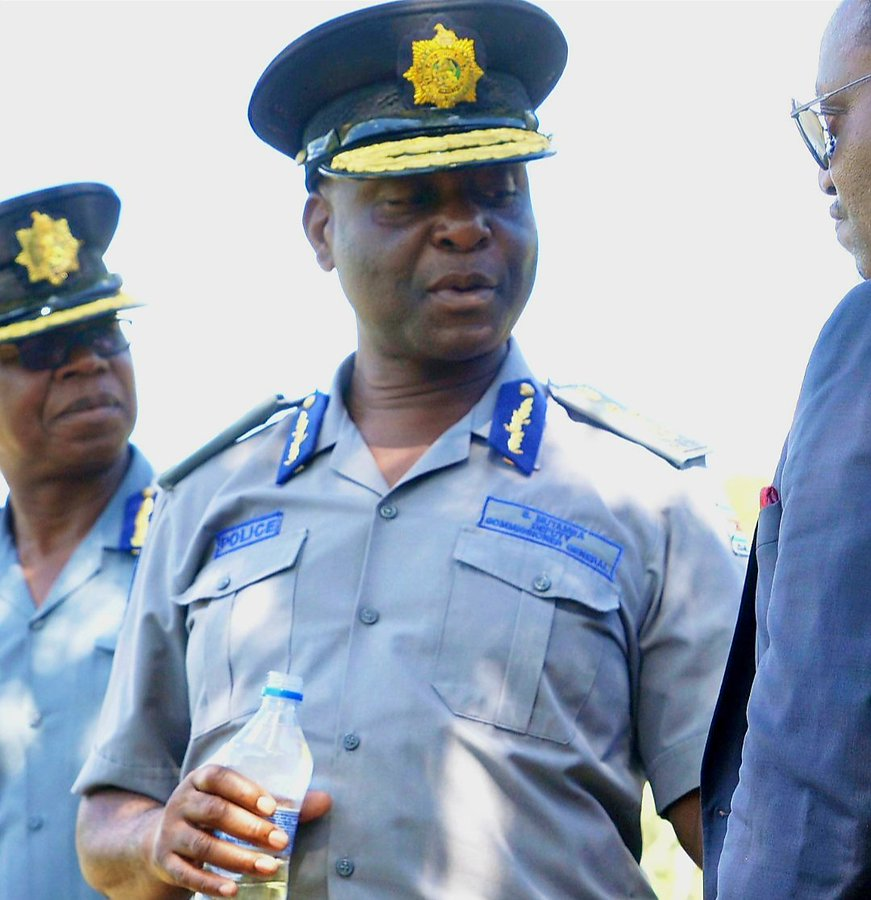
The appointment of Stephen Mutamba as Zimbabwe’s new police commissioner-general is not a routine leadership change — it is a chilling reminder of how ZANU PF continues to tighten its grip on the country. For years, it has been an open secret that President Emmerson Mnangagwa favored Mutamba for this position. His rise has nothing to do with competence or public service; it is purely about consolidating control over the state security apparatus and silencing dissent.
Mutamba, a known ally of Mnangagwa, has been strategically elevated through the police ranks, replacing Tandabantu Godwin Matanga, who has held the role since December 2017. Matanga was initially installed after the coup that ousted Robert Mugabe, a move meant to stabilize Mnangagwa’s fragile new regime. His leadership, which officially ends on 31 December 2024, created a temporary but loyal buffer for ZANU PF. Now, Mutamba’s appointment marks the final phase of Mnangagwa’s effort to fully capture the police and turn it into a weapon of political enforcement.
While Matanga’s era failed to reform a notoriously corrupt and brutal police system, Mutamba’s entry signals an even darker chapter. His career trajectory tells a story of calculated loyalty rewarded by political power. In 2019, he was transferred from the Crime Department to Operations, a shift that handed him greater influence. By 2021, he was promoted to Administration — a position that gave him control over internal structures and personnel. Every move strengthened his hand and tightened his bond with Mnangagwa’s inner circle.
Mutamba’s reputation extends beyond Zimbabwe’s borders. In 2022, the United States imposed sanctions on him for his involvement in human rights violations and the suppression of opposition parties. Washington accused him of orchestrating police crackdowns on civil society groups and political opponents. During the COVID-19 lockdowns, he allegedly enforced curfews selectively — allowing ZANU PF rallies to proceed while arresting opposition supporters. His record of bias and intimidation paints a grim picture of what lies ahead under his command.
Reports also link Mutamba to efforts to manipulate election processes. He allegedly pushed for vote tallies to be hidden from the public and worked to block international observers from overseeing Zimbabwe’s elections. Such actions have destroyed what little credibility remained in the country’s electoral system. His appointment sends a message that Mnangagwa’s regime has no intention of reforming or restoring trust in public institutions.
Instead, the police force is being further transformed into an arm of political control. With Mutamba in charge, the likelihood of impartial law enforcement is almost zero. Citizens who dare to question authority will face an even harsher climate of fear and intimidation. The promise of democracy, already faint, is fading even faster under Mnangagwa’s suffocating rule.
This appointment is not just an administrative reshuffle; it is a declaration of war against freedom itself. Zimbabwe’s police, once meant to serve and protect, now exist to preserve a corrupt system that thrives on oppression. The regime’s message is clear: loyalty to ZANU PF matters more than justice, fairness, or the Constitution.
For activists, opposition leaders, and ordinary citizens, this is a wake-up call. The struggle for democracy is far from over. As future elections approach, vigilance and courage will be vital. The international community must go beyond symbolic sanctions and support those risking their lives to challenge tyranny from within.
Mutamba’s appointment is not about leadership; it is about control — the control of a nation by a regime that fears its own people. Mnangagwa’s Zimbabwe has become a country where the police protect the powerful and persecute the powerless. And until that changes, true freedom will remain out of reach for millions of Zimbabweans.
Word count: 600
MUTAMBA’S APPOINTMENT EXPOSES MNANGAGWA’S DESPERATE GRIP ON POWER
The appointment of Stephen Mutamba as Zimbabwe’s new police commissioner-general is not a routine leadership change — it is a chilling reminder of how ZANU PF continues to tighten its grip on the country. For years, it has been an open secret that President Emmerson Mnangagwa favored Mutamba for this position. His rise has nothing to do with competence or public service; it is purely about consolidating control over the state security apparatus and silencing dissent.
Mutamba, a known ally of Mnangagwa, has been strategically elevated through the police ranks, replacing Tandabantu Godwin Matanga, who has held the role since December 2017. Matanga was initially installed after the coup that ousted Robert Mugabe, a move meant to stabilize Mnangagwa’s fragile new regime. His leadership, which officially ends on 31 December 2024, created a temporary but loyal buffer for ZANU PF. Now, Mutamba’s appointment marks the final phase of Mnangagwa’s effort to fully capture the police and turn it into a weapon of political enforcement.
While Matanga’s era failed to reform a notoriously corrupt and brutal police system, Mutamba’s entry signals an even darker chapter. His career trajectory tells a story of calculated loyalty rewarded by political power. In 2019, he was transferred from the Crime Department to Operations, a shift that handed him greater influence. By 2021, he was promoted to Administration — a position that gave him control over internal structures and personnel. Every move strengthened his hand and tightened his bond with Mnangagwa’s inner circle.
Mutamba’s reputation extends beyond Zimbabwe’s borders. In 2022, the United States imposed sanctions on him for his involvement in human rights violations and the suppression of opposition parties. Washington accused him of orchestrating police crackdowns on civil society groups and political opponents. During the COVID-19 lockdowns, he allegedly enforced curfews selectively — allowing ZANU PF rallies to proceed while arresting opposition supporters. His record of bias and intimidation paints a grim picture of what lies ahead under his command.
Reports also link Mutamba to efforts to manipulate election processes. He allegedly pushed for vote tallies to be hidden from the public and worked to block international observers from overseeing Zimbabwe’s elections. Such actions have destroyed what little credibility remained in the country’s electoral system. His appointment sends a message that Mnangagwa’s regime has no intention of reforming or restoring trust in public institutions.
Instead, the police force is being further transformed into an arm of political control. With Mutamba in charge, the likelihood of impartial law enforcement is almost zero. Citizens who dare to question authority will face an even harsher climate of fear and intimidation. The promise of democracy, already faint, is fading even faster under Mnangagwa’s suffocating rule.
This appointment is not just an administrative reshuffle; it is a declaration of war against freedom itself. Zimbabwe’s police, once meant to serve and protect, now exist to preserve a corrupt system that thrives on oppression. The regime’s message is clear: loyalty to ZANU PF matters more than justice, fairness, or the Constitution.
For activists, opposition leaders, and ordinary citizens, this is a wake-up call. The struggle for democracy is far from over. As future elections approach, vigilance and courage will be vital. The international community must go beyond symbolic sanctions and support those risking their lives to challenge tyranny from within.
Mutamba’s appointment is not about leadership; it is about control — the control of a nation by a regime that fears its own people. Mnangagwa’s Zimbabwe has become a country where the police protect the powerful and persecute the powerless. And until that changes, true freedom will remain out of reach for millions of Zimbabweans.
Word count: 600


