MNANGAGWA’S THIRD TERM AGENDA: THE COUP THAT NEVER ENDS
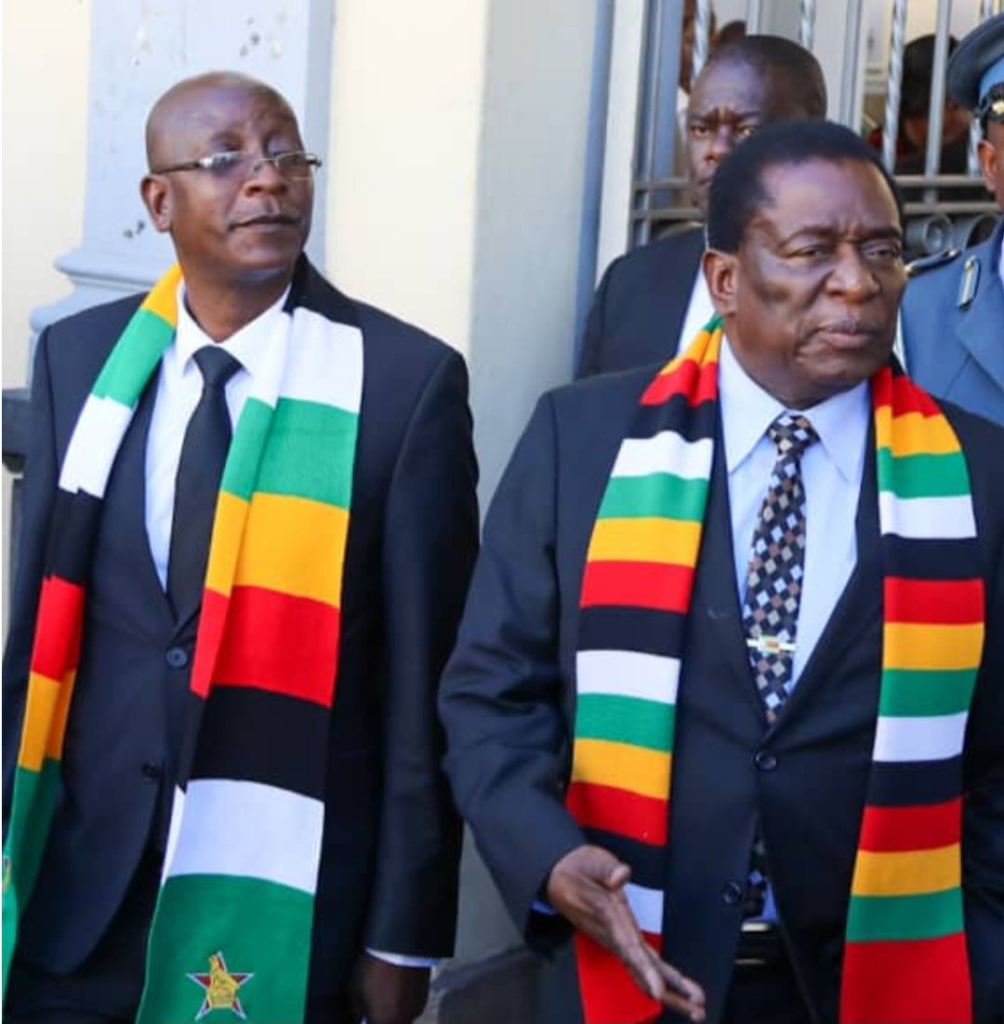
President Emmerson Mnangagwa’s hunger for power seems far from satisfied. After seizing power through a coup in November 2017 and calling himself a “constitutionalist,” the man who promised a “new Zimbabwe” is now plotting to extend his rule beyond the two-term constitutional limit. What once sounded like mere rumours has now taken shape, with Justice Minister Ziyambi Ziyambi leading the legal manoeuvres to make it happen.
Mnangagwa’s term is supposed to end in 2028, but behind closed doors, plans are being crafted to push it to 2030—or even further. The groundwork began last October during the ZANU PF annual conference in Bulawayo, where party members openly discussed the idea of extending his presidency. They admitted it would be difficult, maybe even impossible, but that didn’t stop them from trying. It seems the same party that once claimed to have “restored democracy” through the 2017 coup is now dismantling it piece by piece.
Justice Minister Ziyambi Ziyambi, speaking to The Sunday Mail, tried to give the plan a veneer of legitimacy. He argued that ZANU PF’s resolutions come from “the people” and not from one man. “The resolutions are a result of what people in the party want,” he said. According to him, the process begins with discussions in local districts and provinces, moves to the national conference, and eventually influences government policy. It’s a neat political disguise—a way to make Mnangagwa’s personal ambition look like a collective demand.
Ziyambi went further, detailing the steps required to amend the constitution. “First, the Cabinet will consider the principles of the amendment. Once approved, the Attorney-General’s office will draft a Bill. There will also be nationwide consultations to gather input for the drafting process. After the Bill is written, it will go to the Cabinet Committee on Legislation, then to Parliament for gazetting,” he said. He made it sound like a technical, lawful process—but no legal process can make tyranny democratic.
To make matters worse, Ziyambi claimed that two referenda would be required to approve the change, as if that makes it more legitimate. Zimbabweans have seen this movie before: state-controlled media shaping public opinion, rural intimidation, and rigged outcomes disguised as “the will of the people.” It’s the same strategy used to justify the coup in 2017, only this time, it wears a legal suit instead of military fatigues.
While some ZANU PF loyalists see this as a strategy for “continuity,” most Zimbabweans view it for what it truly is—a betrayal of the constitution and the nation’s democratic principles. The two-term limit exists to prevent the concentration of power, to protect citizens from exactly this kind of manipulation. But for Mnangagwa and his allies, the constitution is not a covenant with the people; it’s a tool to be twisted whenever power feels threatened.
Ziyambi insists the government will not act outside the law, saying, “The proper steps will be taken to give effect to what the people want.” Yet every step described is designed to serve the interests of one man. There is no evidence that ordinary Zimbabweans are demanding Mnangagwa’s continued rule. The so-called “grassroots resolutions” are nothing more than top-down instructions from the party elite, echoed by fearful subordinates trying to survive within a system that punishes dissent.
As it stands, this constitutional manipulation is still in its early stages. Whether it succeeds depends on how far Zimbabwe’s institutions—Parliament, the courts, and the people themselves—are willing to bend. But one thing is certain: Mnangagwa’s third-term ambition exposes the lie that 2017 was ever about democracy. The coup never ended; it simply changed its clothes. The coming months will show whether Zimbabwe chooses the rule of law or the rule of one man.


