MNANGAGWA’S RUSSIA BLUNDER EXPOSES ZIMBABWE’S PARLIAMENTARY CAPTURE
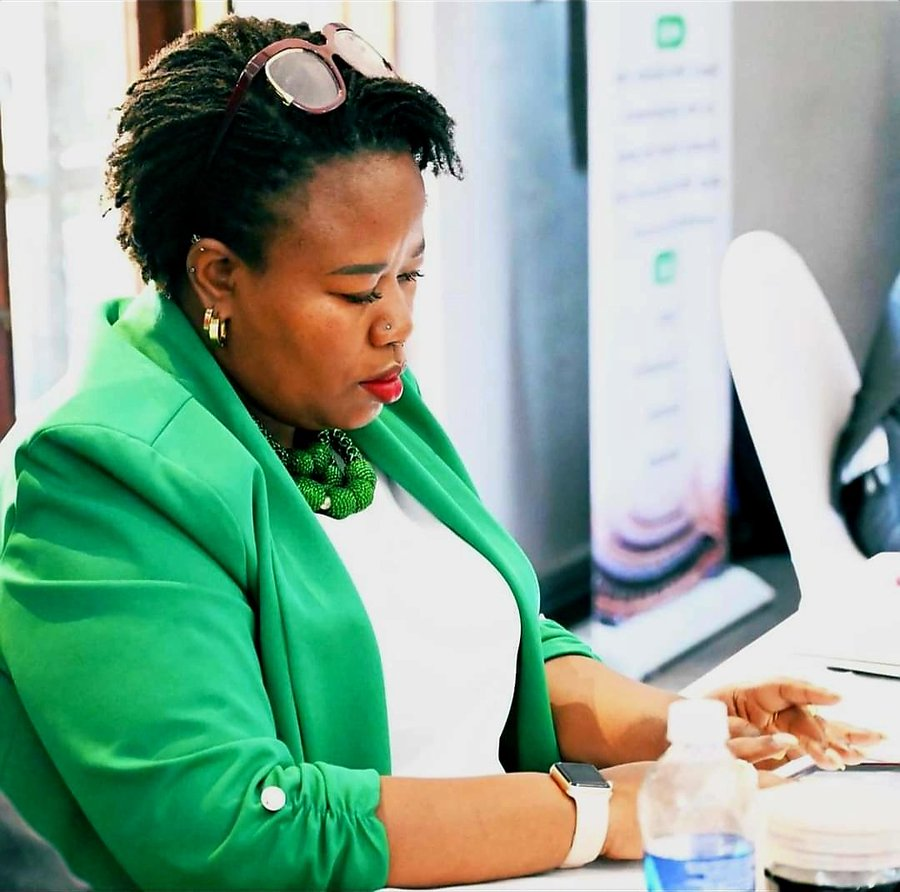
In a troubling example of Zimbabwe’s democratic backslide, Speaker of Parliament Jacob Mudenda recently blocked opposition MP Gladys Hlatywayo from raising a critical issue in parliament — a move that once again demonstrates how ZANU PF uses state institutions to silence dissent and protect President Emmerson Mnangagwa from accountability. Hlatywayo, the Citizens Coalition for Change (CCC) MP responsible for foreign affairs, attempted to question Mnangagwa’s recent remarks in St. Petersburg, where he described Zambia as an American “client state” during a meeting with Russian President Vladimir Putin. The fallout from those comments has strained Zimbabwe’s regional relations and raised serious diplomatic concerns ahead of the country’s upcoming chairmanship of SADC in August.
Mnangagwa’s remarks, which also labeled Malawi as a U.S. satellite, have been widely condemned as reckless and undiplomatic. They’ve sparked tensions with neighboring countries already uneasy after Zimbabwe’s controversial and disputed general elections last year. Rather than engaging with the gravity of the situation, ZANU PF has chosen to shut down criticism and avoid accountability. Mudenda’s decision to silence Hlatywayo in parliament is a chilling indicator of the regime’s tightening grip on power and its growing intolerance for scrutiny — even from within the country’s legislative arm.
Hlatywayo had every right to question Mnangagwa’s statements. Zimbabwe’s constitution is clear: the executive, including the President, is accountable to parliament. Parliament is not a rubber-stamp institution — it is a co-equal branch of government tasked with scrutinizing national decisions, including foreign policy. Yet Mudenda claimed that matters of bilateral or regional relations fall exclusively under the executive’s purview. That claim not only misinterprets the law but also undermines the principle of checks and balances. His refusal to allow debate led to a heated exchange in the House, but he stood firm — acting more like Mnangagwa’s bodyguard than a guardian of parliamentary democracy.
This blatant censorship is part of a broader campaign by ZANU PF to neutralize the opposition. Mudenda recently removed Hlatywayo from Zimbabwe’s delegation to the African Caribbean Pacific-European Union talks. He also nullified CCC appointments to parliamentary committees made by the pro-Chamisa faction in February, effectively consolidating control in the hands of ZANU PF-aligned factions. In May, Mudenda and Chief Whip Pupurai Togarepi went a step further by resisting the reinstatement of recalled CCC MPs — ignoring recommendations from the Inter-Parliamentary Union’s Committee on the Human Rights of Parliamentarians.
These moves are not isolated. They are part of a systematic erosion of democracy. Zimbabwe’s governance model is built on three independent pillars — the executive, the judiciary, and the legislature. These institutions are meant to operate independently but cooperate to ensure national accountability. However, under Mnangagwa, the executive is entrenching itself while hollowing out the powers of the legislature. Parliament is becoming toothless, reduced to a platform for ZANU PF posturing instead of meaningful oversight.
This internal decay is now spilling into regional diplomacy. As Zimbabwe prepares to assume leadership of SADC, its credibility is under question. How can a country that silences MPs, defies parliamentary norms, and disrespects neighboring states be trusted to lead a regional bloc committed to peace and cooperation?
The assault on Hlatywayo is not just about one MP. It is a warning to all who seek transparency and accountability. It is a statement from ZANU PF that no institution is truly independent — and that even the constitution is a tool to be bent in service of the party. If Zimbabwe is to move forward, it must restore the dignity of parliament, reinstate the opposition’s role in governance, and ensure that no President is above questioning. Until then, the dream of a democratic Zimbabwe remains under siege.


