MNANGAGWA’S CORRUPTION TALK FALLS FLAT WITHOUT ACTION
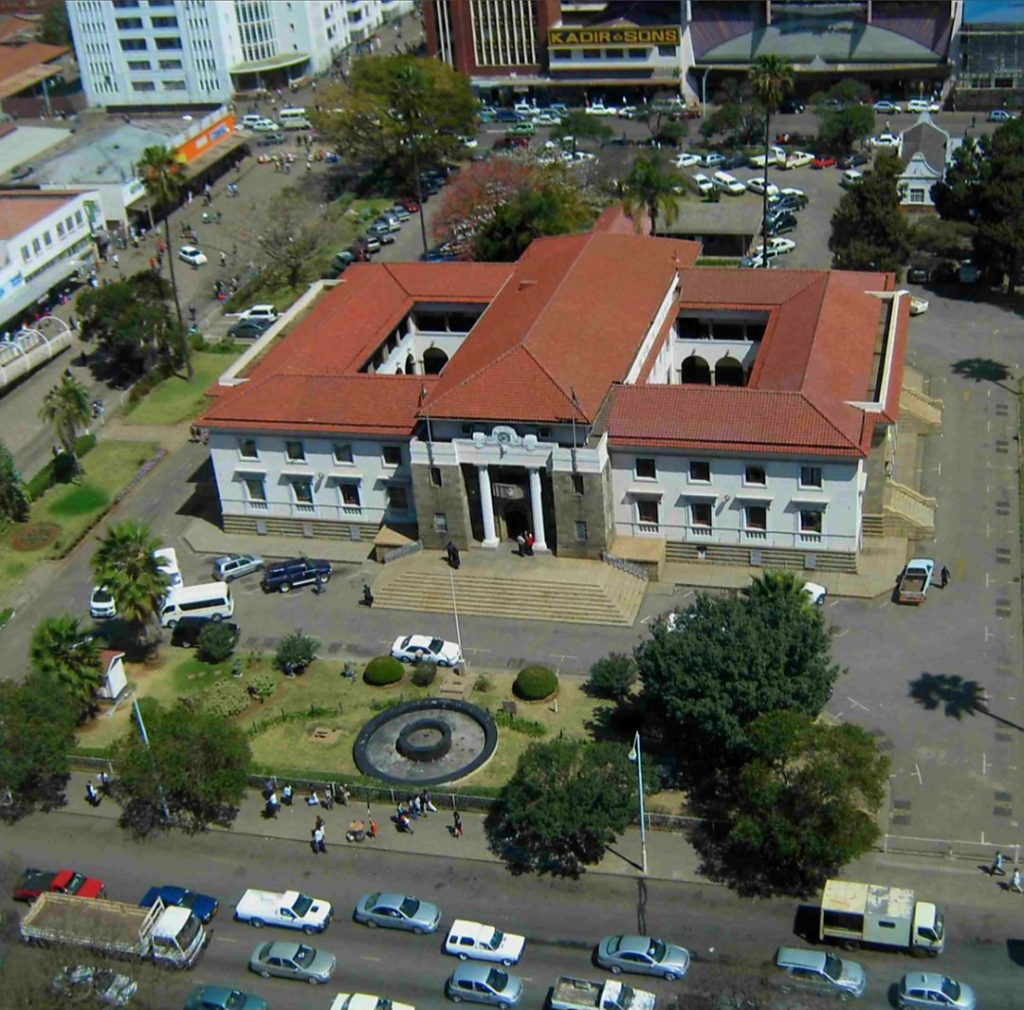
President Emmerson Mnangagwa recently addressed the issue of corruption at the Zimbabwe Local Government Association Annual Indaba in Harare, delivering strong words against the deepening crisis. He expressed concern about widespread corruption in local authorities and across the country, declaring that no one would be spared and that all culprits must face the full wrath of the law. Yet, for many Zimbabweans, these words ring hollow. Corruption has not only flourished during Mnangagwa’s time in office—it has reached new, brazen heights.
Mnangagwa boldly stated, “Those perpetrating such acts must face the full wrath of our country’s law. No one, including Local Authorities, will be spared.” But the reality on the ground is far from that promise. The rot in Zimbabwe goes beyond local government officials. The problem lies at the very heart of power—within the president’s own circle. Political allies and well-connected associates have repeatedly been implicated in corrupt deals. They invoke Mnangagwa’s name to shield themselves from consequences and to intimidate institutions meant to hold them accountable.
This abuse of power has shattered public trust. People no longer believe the government is serious about fighting corruption. They see selective outrage and impunity for the elite. While small-time officials are sometimes used as scapegoats, the real kingpins operate untouched. As a result, ordinary citizens continue to suffer under a broken system that rewards theft and punishes honesty.
Corruption in Zimbabwe has become a daily burden for millions. Money that should fund clean water, roads, and health care is siphoned off by corrupt networks. Communities are left with dry taps, pothole-ridden roads, and crumbling clinics. The local government—meant to be the frontline of service delivery—has become one of the most compromised sectors. Councils that should be solving problems are instead plagued by looting and mismanagement. Projects stall, garbage piles up, and basic services become luxuries.
Mnangagwa’s speech may have grabbed headlines, but for many, it is just another chapter in a tired book of empty promises. Zimbabweans have heard this before—strong words, no action. What the country needs now is not more speeches, but real accountability. And that must begin at the top. If the president truly wants to lead a war against corruption, he must clean his own house first. Letting his allies operate with impunity makes a mockery of every anti-corruption pledge he makes.
The only way forward is to build strong institutions that act independently. Courts must be able to prosecute the powerful. The police must investigate without fear. Journalists must expose the truth without persecution. Right now, most of these institutions are either weak or captured. That’s why corruption thrives. The fight against it cannot succeed in a system rigged to protect the guilty.
Zimbabweans are not asking for miracles. They are asking for justice. They want to see corrupt officials arrested. They want stolen public funds returned. They want leaders who are honest and accountable—not just good at giving speeches. The president has a rare chance to prove he is serious. But it will require courage, sacrifice, and a willingness to go after those closest to him.
Until then, Mnangagwa’s bold declarations will be seen for what they are—political theatre. Zimbabwe stands at a tipping point. The people have suffered long enough. If the president continues to protect the corrupt while preaching against corruption, history will judge him not as the man who cleaned up Zimbabwe, but as the one who let it rot further. The clock is ticking, and the nation is watching.


