MBUDZI INTERCHANGE: THE MONUMENT OF CORRUPTION THAT MOCKS ZIMBABWEANS
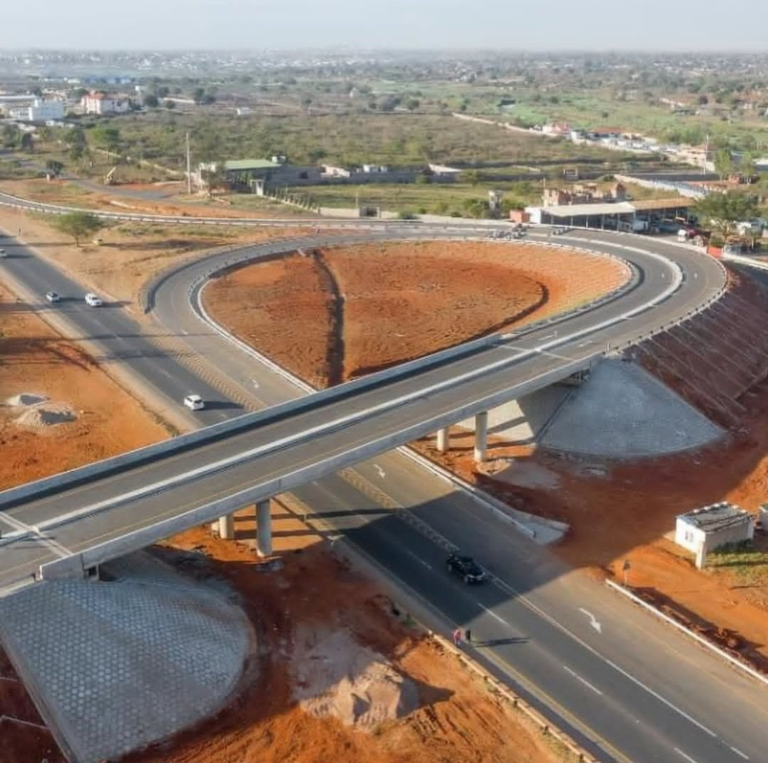
The Mbudzi traffic interchange in Harare has become the perfect symbol of how corruption and greed have crippled Zimbabwe’s progress. Set to cost an outrageous US$88 million, this project stands as a painful reminder of how public infrastructure has become a feeding trough for the politically connected. What makes it worse is the fact that South Africa’s Mount Edgecombe Interchange — a far larger, more sophisticated four-level structure completed in 2018 — cost only US$65.9 million. The Durban project is not only cheaper but also the largest interchange in the entire southern hemisphere. The US$22 million difference exposes the rot that has infected Zimbabwe’s governance and public project management.
The Mount Edgecombe Interchange is an engineering masterpiece. It features 23 piers, a bridge stretching nearly a kilometre, and a design that connects multiple major routes linking Verulam, Umhlanga, Durban North, and Phoenix. It was built to ease congestion and support economic growth in a bustling region. In contrast, the Mbudzi interchange looks basic, uninspired, and rushed — a mediocre project that cannot even be compared in scale or complexity. Yet Zimbabweans are told that this far smaller project costs much more. The explanation is clear: corruption has inflated the price, not the cost of cement or steel.
The Mbudzi interchange is not just overpriced — it is daylight robbery disguised as development. The contractors chosen for this project were not selected for their competence but for their connections to the ruling elite. It is an open secret that public tenders in Zimbabwe are awarded based on loyalty and political ties, not merit or transparency. The US$22 million price gap between Harare and Durban’s interchanges represents stolen public money — funds that could have built schools, hospitals, or water systems for communities still living without basics.
For decades, Zimbabwe’s infrastructure projects have followed the same pattern: inflated budgets, shady contractors, and no accountability. The people are forced to pay the price — not just through taxes, but through the daily suffering caused by broken roads, collapsing bridges, and endless traffic jams. Corruption has become a hidden tax on the poor, one that steals hope from an already struggling nation.
Those in government who are supposed to safeguard public funds are the very ones enabling this looting. Instead of enforcing strict financial discipline, they approve inflated invoices and sign off on fraudulent contracts. They treat the national budget as a personal ATM, enriching themselves while ordinary citizens sink deeper into poverty. The result is that Zimbabwe keeps producing substandard infrastructure that costs far more than it should, draining an economy already on its knees.
No one with common sense can believe that the Mbudzi interchange truly costs US$88 million. Many experts suggest the real cost should be less than half that figure. The government’s refusal to disclose full details of the contract only strengthens suspicion. If South Africa could build a state-of-the-art interchange for less, why can’t Zimbabwe? The answer lies in the same dark place — corruption, inefficiency, and the deliberate theft of national resources.
The Mbudzi project has become a monument to everything that is wrong with ZANU PF’s rule: greed, deceit, and disregard for the people. It is not a symbol of progress but of betrayal. Every time a motorist drives past it, they should see the faces of those who stole from them and remember how power has been abused.
Zimbabweans must demand answers. Where did the money go? Who signed the contracts? Who benefited from this daylight robbery? Until citizens rise and demand transparency, Zimbabwe will continue to rot under the weight of corruption. The Mbudzi interchange is not just a traffic project — it is a monument to the cost of corruption and a loud reminder that real change is long overdue.


