JOB SIKHALA IN CHAINS, BUT HIS SPIRIT REMAINS UNBROKEN
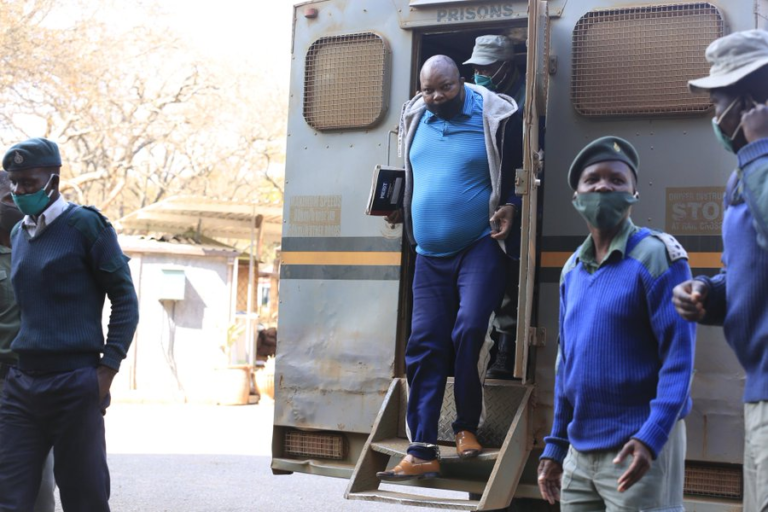
In an extraordinary testament to defiance and resilience, Job Sikhala, a towering figure in Zimbabwe’s opposition, has been convicted of inciting violence—a charge many believe is merely a pretext to silence him. This verdict marks a defining moment in Zimbabwe’s ongoing struggle between authoritarian control and the yearning for democratic freedoms. Shackled in leg irons and marched into court like a hardened criminal, Sikhala stood tall. His declaration, “Let them do what they want. I don’t care, don’t worry,” will echo through time as a courageous act of unyielding fortitude.
Sikhala is no ordinary man. He is a symbol of defiance against the ruthless machinery of repression that ZANU PF has perfected over the years. His refusal to bow to tyranny has earned him the respect of many Zimbabweans and the wrath of those in power. With each arrest, each courtroom appearance, each denial of bail, he becomes more than a politician—he becomes a living emblem of resistance. This conviction is not just a personal blow to Sikhala; it is a calculated strike against the democratic aspirations of millions.
The backdrop of this case is familiar to Zimbabweans. The state’s routine use of “inciting violence” charges against activists and political opponents is nothing new. It is a tool—a blunt instrument—used to stifle dissent and intimidate anyone who dares challenge the regime. Just like countless others before him, Sikhala finds himself at the mercy of a justice system many believe has long ceased to serve justice.
The trial itself has been heavily criticized. Observers both local and international, from human rights groups to diplomatic missions, have expressed grave concerns over the fairness of the proceedings. Accusations of political interference in the judiciary are rife. The Zimbabwean courts, once a beacon of legal integrity, now often appear as little more than enforcers of political will.
But Sikhala did not falter. Even as he stood in chains, his head was unbowed. His defiance wasn’t just for himself—it was for all who dream of a Zimbabwe free from fear, corruption, and repression. His words were not bitter. They were brave. They were a rallying cry. They were a challenge to every Zimbabwean to rise above fear and to remember that courage is contagious.
Unsurprisingly, the government and its supporters hailed the conviction as necessary to maintain peace and order. But critics, from opposition parties to civic leaders and global human rights defenders, see it as yet another nail in the coffin of free political expression. The space for open discourse in Zimbabwe has shrunk dangerously, and Sikhala’s case is the latest proof.
His sentencing raises urgent questions about the trajectory of Zimbabwe’s democracy. Are we witnessing the slow death of political freedom, or the painful birth of a new era? For every blow the regime strikes, the resistance grows louder, more organized, and more determined. Sikhala’s unshaken stance lights a path forward, even as darkness looms.
Internationally, the reaction has been swift. Governments and organizations have condemned the ruling, with some calling for sanctions and accountability. The world is watching Zimbabwe—not just the cruelty, but also the courage.
Job Sikhala’s conviction is more than a courtroom decision. It is a battle line drawn between tyranny and freedom. His spirit, unbroken even in chains, reminds us that dictatorships may imprison bodies, but they can never chain a people’s will to be free. And as Zimbabwe lurches forward, battered but not defeated, Sikhala’s courage remains a blazing symbol of hope.


