HIGH COURT’S BAIL DENIAL EXPOSES REGIME PANIC AHEAD OF SADC SUMMIT
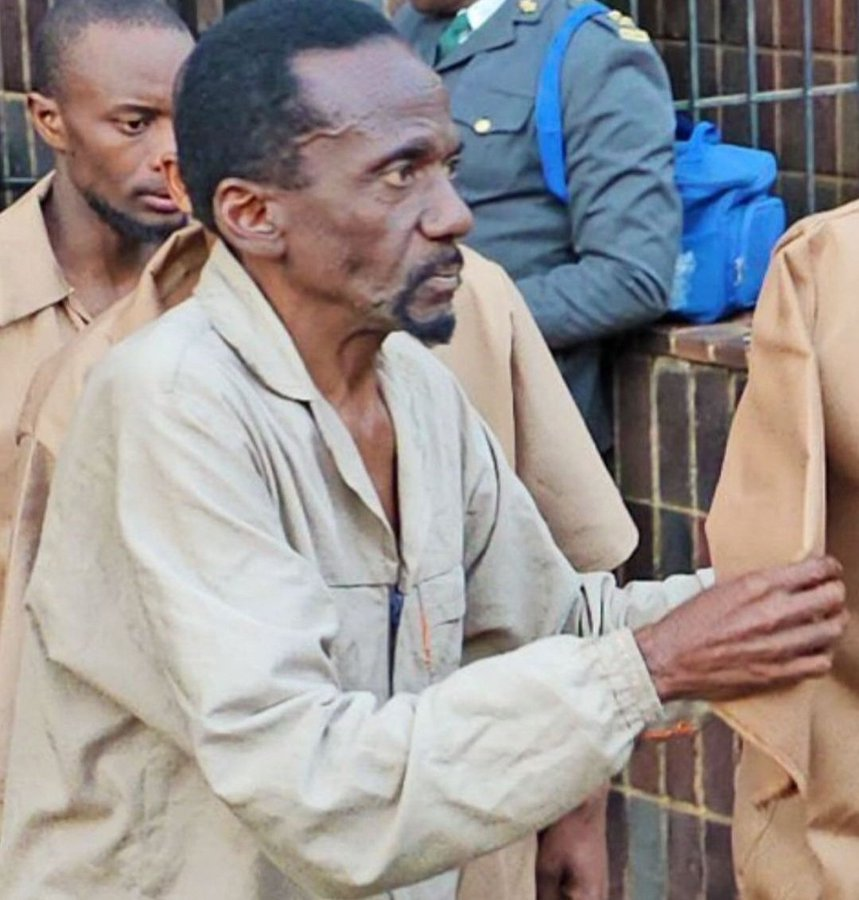
The Harare High Court’s refusal to grant bail to 73 Citizens Coalition for Change activists is more than a legal setback; it is a chilling signal from a state that fears its citizens. With the Southern African Development Community summit set for August 17, the government has intensified a dragnet against both real and imagined dissent, citing Kenya’s recent protests as a cautionary tale to justify pre-emptive repression. Justice Munamato Mutevedzi upheld the magistrate’s ruling, declaring that “the magistrate’s court did not misdirect itself in its assessment of the issues and in finding that the appellants were not proper candidates for admission to bail.”
Authorities claim these Zimbabweans were planning unlawful gatherings. In reality, the charge sheet reads like a census of economic exclusion. The bulk of the detainees come from Chitungwiza, Epworth, and Hatcliffe—places where unemployment is an everyday sentence and poverty, a policy outcome. This is not a random crowd; it is a cross-section of our stifled youth. Nearly three-quarters hail from those suburbs, most are under forty, and they share an allegiance to the CCC. Their demographics tell a story: a generation denied opportunity will inevitably demand change. They were drawn from different but clearly defined clusters, bound by shared hardship and a common political alignment.
By treating a bail hearing like a national security drill, the court has stretched the presumption of guilt over people who have not been tried. Bail is not acquittal; it is a constitutional safeguard that keeps the scales of justice from being welded to the state’s side. Denying it en masse—on the eve of a diplomatic spectacle—turns the judiciary into a backstage crew for political stage-managing. We are told this is about public order. But whose order, and at what public cost?
The lone exception underscores the arbitrariness: Maxwell Sande was granted bail, released into the custody of his father, Cecil Sande, with strict conditions still to be policed by the state. One youth spared, seventy-three left behind—a statistic that reads like a warning, not justice. His release occurs under an ongoing pre-trial monitoring framework that tightens supervision rather than loosening it.
The symbolism is unmistakable. Jameson Timba, a former MP and minister, sits among the detained, a reminder that no critic is too prominent to be crushed, and no ordinary citizen too obscure to be ignored. When a court decision mirrors executive anxiety, law becomes a mask for force. This pattern is familiar across the region: drape repression in legal language, call it stability, and dare the world to look away.
Legal experts and human rights advocates are right to denounce blanket bail denials. Such collective punishment injures the integrity of our courts and disproportionately harms the poor, who cannot lubricate the gears of a sluggish justice system. It also chills civic participation by telling communities like Chitungwiza, Epworth, and Hatcliffe that their voices are contraband.
As the SADC summit approaches, international observers will judge not our polished communiqués but our prisons and our court records. Zimbabwe stands at a crossroads between performative order and substantive justice. If we betray fair-trial rights now, the reverberations will outlast any summit photo-op and deepen our isolation within the very region we seek to court.
This case is a test—of our judiciary’s independence, our leaders’ tolerance for dissent, and our society’s resolve to defend democratic rights. True stability is born of legitimacy, and legitimacy cannot be coerced. Free the courts from political panic. Restore bail as a right, not a favor. And let Zimbabwe’s future be shaped by citizens who gather peacefully, not by gavel blows that punish them for daring to hope.


