HICHILEMA’S NO-SHOW IN HARARE SPEAKS LOUDER THAN WORDS
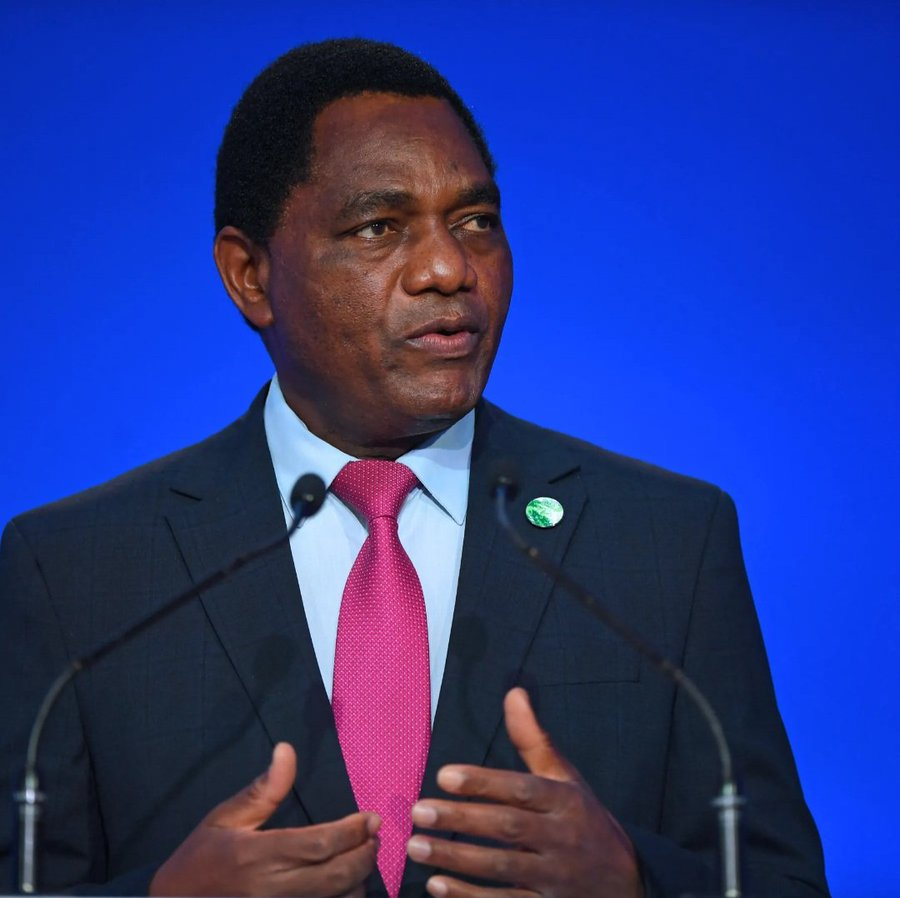
Zambian President Hakainde Hichilema’s unexpected absence from the Southern African Development Community (SADC) summit in Harare has sparked intense speculation and political discussion across the region. Instead of flying the short distance to Zimbabwe’s capital, Hichilema chose to address the summit via video link from Lusaka. The decision, seemingly simple on the surface, carries deep political undertones that reveal much about the strained relations between Zambia and Zimbabwe and the growing divide between leaders who respect democracy and those who suppress it.
As the outgoing chairperson of the SADC Organ on Politics, Defence, and Security Co-operation, Hichilema was expected to be physically present to hand over the leadership role to Tanzanian President Samia Suluhu Hassan. The organ plays a vital role in promoting peace, security, and democratic stability in Southern Africa, making his absence even more significant. With Lusaka barely a 30-minute flight from Harare, many have wondered why he chose to stay away when the symbolism of attending in person would have been strong. The Zambian government offered no official explanation, leaving analysts to interpret the move through the lens of regional politics.
During his virtual address, Hichilema emphasized the importance of consolidating democracy, mediating conflicts, and ensuring regional stability. His words, though diplomatic, seemed to underline the very principles Zimbabwe’s ruling ZANU PF regime continues to undermine. The irony was not lost on observers: a leader committed to democracy and transparency addressing a summit hosted by one whose government is widely criticized for electoral manipulation, corruption, and repression of dissent.
Relations between Zambia and Zimbabwe have been tense for some time, largely due to these political differences. Hichilema has built his reputation as a reformer, championing democratic values and economic revival in Zambia. In contrast, Emmerson Mnangagwa’s government in Harare has deepened Zimbabwe’s international isolation through human rights abuses and election rigging. Many believe that Hichilema’s refusal to set foot in Zimbabwe was a subtle but powerful act of protest — a quiet rejection of the regime’s illegitimacy and a message that genuine democracy cannot coexist with tyranny.
Diplomatic niceties often conceal deeper truths, and this appears to be one such case. By remaining in Lusaka, Hichilema avoided the political theater that would have unfolded had he shared the same stage with Mnangagwa. His physical absence spoke volumes — more than any official statement could. It was a reminder that not all regional leaders are willing to lend legitimacy to Zimbabwe’s sham democracy. Yet, in a gesture of professionalism, he still carried out his responsibilities, formally handing over the SADC organ chairmanship to President Hassan and reaffirming Zambia’s commitment to the bloc’s principles.
The SADC Organ on Politics, Defence, and Security Co-operation has long been tasked with defending peace and democracy in the region. However, its credibility has often been questioned due to its silence on human rights abuses and election irregularities in member states, particularly Zimbabwe. Hichilema’s decision not to attend in person may therefore also reflect frustration with SADC’s reluctance to confront authoritarianism within its own ranks.
While some may speculate about alternative reasons — such as health or security concerns — the political context is impossible to ignore. His absence has reignited debate about whether SADC can truly uphold its democratic values while turning a blind eye to repression in countries like Zimbabwe.
In the end, Hichilema’s quiet defiance may mark a subtle but significant shift in Southern African politics. It highlights a growing divide between leaders who are ready to move the region forward through accountability and those clinging to outdated authoritarian rule. As Zimbabwe continues to sink deeper under ZANU PF’s iron grip, the contrast between Lusaka’s democratic direction and Harare’s stagnation could not be clearer. Hichilema’s no-show was not an act of indifference — it was a statement. One that echoed across borders: democracy must mean more than empty words.


