FROM BROTHERS-IN-ARMS TO BITTER ENEMIES: THE FALL OF CHIWENGA AND MNANGAGWA’S TRUST
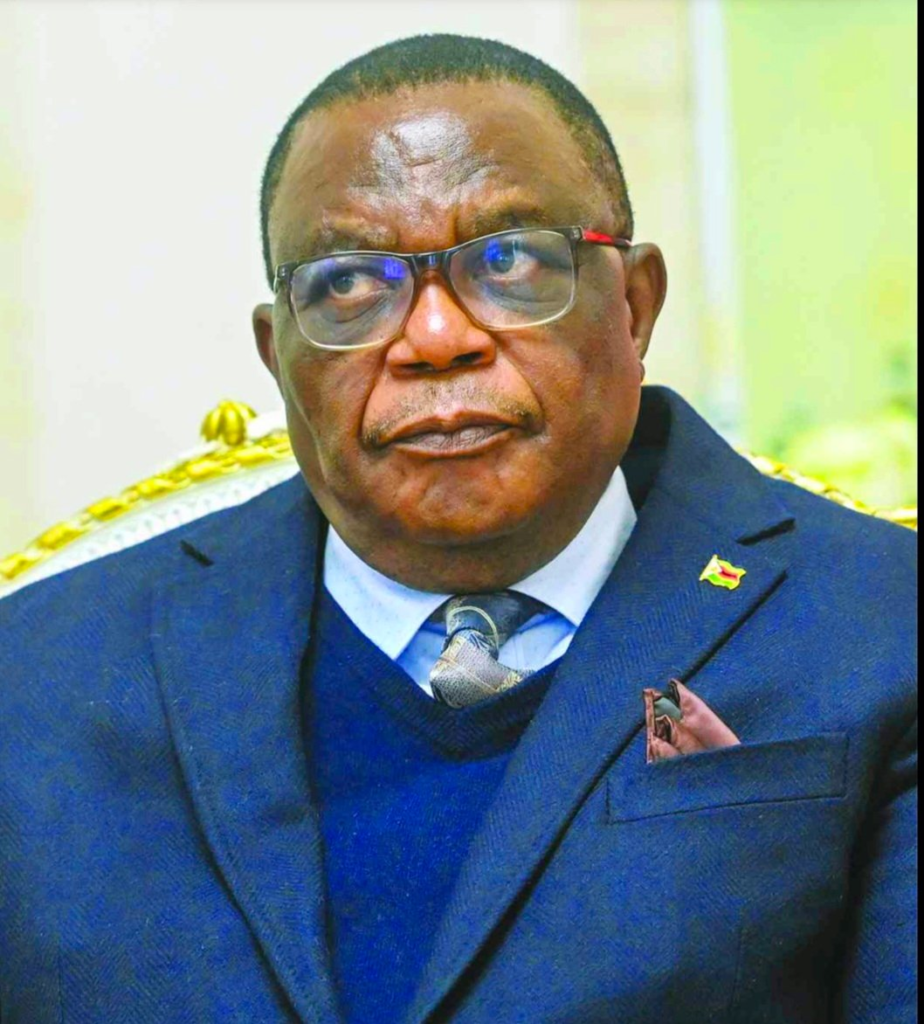
When Robert Mugabe fired Emmerson Mnangagwa on 6 November 2017, the whole country thought his political career was over. Mnangagwa fled to South Africa, broken and humiliated. But one man refused to abandon him—Constantino Chiwenga. The general risked everything to bring back the man everyone had already written off. Just two weeks later, Chiwenga led a bold military coup that ended Mugabe’s 37 years of cruel rule. He put his own life on the line to make sure Mnangagwa returned to Zimbabwe as a hero. Without Chiwenga’s courage, Mnangagwa would still be an exile today.
When Mnangagwa became president, Chiwenga stayed by his side with deep loyalty. He defended him during the controversial elections of 2018 and again in 2023. Chiwenga supported every plan Mnangagwa introduced, including the much-talked-about Vision2030. To show even greater devotion, he started calling Mnangagwa “Munhumutapa,” the name once given to ancient Shona kings. Mnangagwa loved this title so much that he declared his own birthday, 15 September, as Munhumutapa Day—a clear sign of his hunger for glory and power.
In 2022, at a ZANU PF congress, Chiwenga knelt before Mnangagwa in front of the whole world. It was a shocking moment that showed how far his loyalty went. Even when Chiwenga was poisoned and fighting for his life, he never turned against his leader. He kept his head down, always putting Mnangagwa first. For years, he was the soldier who stood between Mnangagwa and danger.
But now, everything has changed. Mnangagwa is chasing a third term, breaking his promise to serve only two. The same man who once depended on Chiwenga now sees him as an obstacle. The bond that held them together has shattered. Chiwenga feels betrayed and humiliated. He believed that after 2023, it would be his turn to lead the nation. Instead, Mnangagwa is doing everything to block his rise. He no longer sees Chiwenga as a brother-in-arms but as a threat that must be neutralized.
Zimbabwe has seen this before. History shows that after coups, leaders often destroy those who helped them gain power. Napoleon did it in France. Stalin did it in the Soviet Union. Idi Amin and Mobutu did the same in Africa. Even Mugabe turned against his closest allies when he felt threatened. Mnangagwa is now following the same path. He is slowly removing everyone who once stood by him. The recent dismissal of Lieutenant-General Anselem Sanyatwe, another hero of the 2017 coup, is proof of how ruthless he has become.
To be fair, Mnangagwa once stood up for Chiwenga too. When Mugabe tried to fire Chiwenga as army commander before the coup, Mnangagwa defended him fiercely. After the coup, he rewarded him with powerful positions—Vice-President, Defence Minister, and head of war veterans. But that was not out of friendship; it was out of need. Mnangagwa had no choice then. He needed Chiwenga to keep the soldiers loyal and the government stable. Once his power was secure, he began cutting off the very hands that lifted him up.
The truth is simple: Chiwenga gave Mnangagwa more than he ever received. Without Chiwenga, there would have been no coup, no presidency, and no Munhumutapa Day. But power changes people. It blinds them. Mnangagwa has turned into the same kind of leader Zimbabwe fought to escape in 2017—hungry for power, afraid of losing it, and ready to destroy anyone who stands in his way.
Mugabe once warned Chiwenga that Mnangagwa would betray him. Now that warning has come true. What began as brotherhood has ended in bitterness. The story of Mnangagwa and Chiwenga shows once again that in Zimbabwean politics, loyalty means nothing when power is at stake.


