DEGREES FOR POWER, NOT FOR PEOPLE: ZIMBABWE’S PHD FEVER UNDER THE SPOTLIGHT
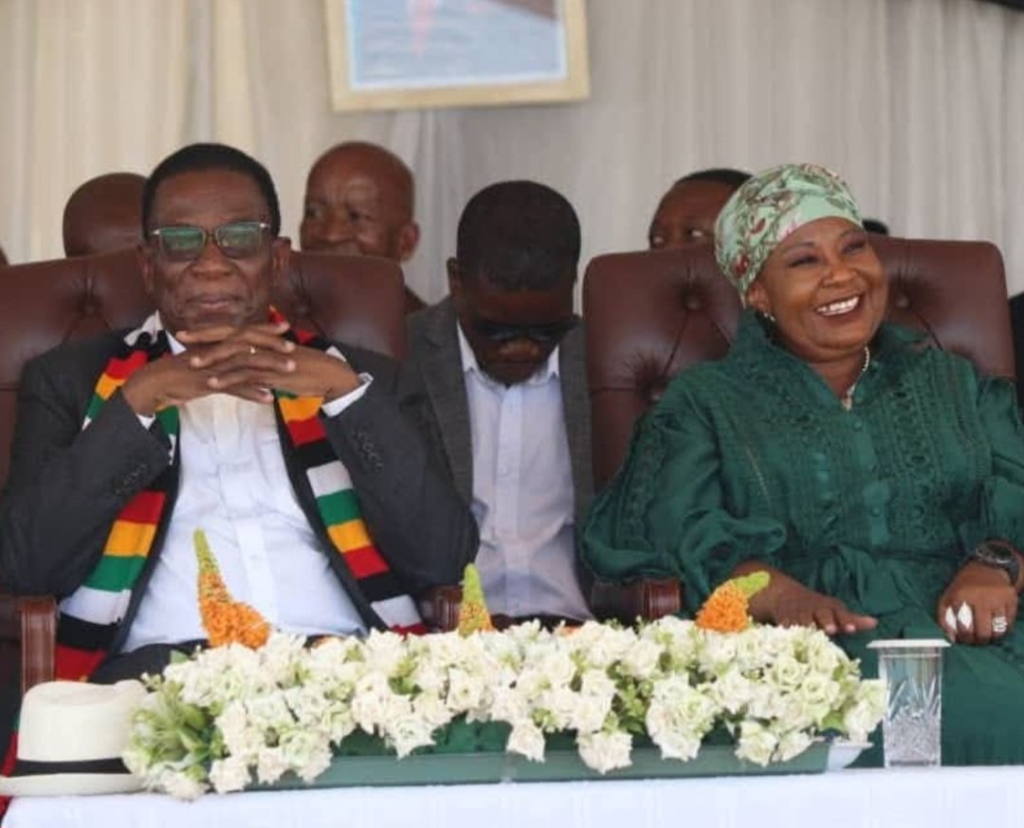
President Emmerson Mnangagwa’s rally in Chiweshe to celebrate First Lady Dr. Auxillia Mnangagwa’s new PhD was staged as a feel-good moment, capped—literally—by the President himself in Gweru. Yet the spectacle does more than applaud scholarship; it spotlights a growing disease in our politics: academic credentialism. In today’s Zimbabwe, leaders collect doctorates like slogans, and the public is asked to clap for titles while daily life grows harder.
We have been here before. Grace Mugabe’s 2014 PhD at the University of Zimbabwe became a symbol of everything rotten about elite privilege—fast-tracked, opaque, and loudly defended until the coup of 2017 turned the page. Vice President Constantino Chiwenga’s doctorate from the University of KwaZulu-Natal swims in similar debate. Each case raises the same question: are these leaders learning—or laundering their legitimacy with academic robes?
A true PhD is not a crown; it is a grind. It requires years of reading, data, supervision, and the humility to be corrected. When officials treat a doctorate like a political badge, they cheapen the very idea of study. The goal becomes the title “Dr.,” not the discipline. Universities are pressured to please power, and citizens are pressured to pretend this is normal. It is not. It is a shadow market in prestige.
This culture hurts everyone. When degrees are seen as props, honest scholars are mocked, and honest students wonder why they should work hard. When our rulers seem to skip the queue, the public concludes that the game is rigged—because it is. Trust in institutions erodes, and policy becomes performance. The nation gets gowns and speeches, not evidence and service.
Education, done right, can strengthen leadership. A leader who studies to understand tourism, health, or economics can use that knowledge for better policy. But study done as theatre is simply vanity. Titles cannot fix hospitals. They cannot stop looting. They cannot lower the price of mealie-meal. Knowledge applied with integrity can; a certificate without substance never will.
So let us be plain. Zimbabwe’s crisis is not a shortage of PhDs; it is a shortage of truth, competence, and accountability. We do not need more caps placed by presidents; we need caps placed on corruption. We do not need choreographed congratulations; we need transparent procurement, independent courts, and universities free from political bullying. If leaders must study, let them first study the Constitution and learn to obey it.
As we note the First Lady’s achievement, we should also ask the hard civic questions. Who funded the research? Who supervised it? Where is the thesis? Is it publicly accessible, as real scholarship should be? What new policy will result from the findings? These are not insults; they are the standards every genuine scholar accepts. If the answers are clear, let them be shared. If the answers are hidden, the doubts will grow.
Pursuing higher education is noble when the motive is service. It becomes toxic when it is used to inflate status and shield failure. A nation does not rise because its rulers add honorifics; it rises when leaders add honesty. Zimbabwe deserves leaders who read not to rule, but to serve; who chase wisdom, not applause. Until then, the people will keep doing their own hard learning: that a title without truth is just another costume in the theatre of power—and we are done clapping.
The message from citizens is simple: bring your thesis to the table and your integrity to the office. Open the books, open the universities, open the space for dissent. Degrees may decorate, but only accountability delivers. Zimbabwe deserves nothing less.


