CHINA IS STRIPPING ZIMBABWE BARE WHILE OUR LEADERS LOOK AWAY
Over 85,000 Chinese nationals now live in Zimbabwe, not as settlers seeking new homes, but as workers executing Beijing’s grand industrial agenda. Their presence is not about partnership or cultural exchange—it is about control, extraction, and the systematic plundering of Zimbabwe’s natural wealth. China has identified Zimbabwe as a treasure chest of untapped resources, and our leaders have opened the doors wide without asking the right questions.
To China, Zimbabwe is not a friend but a supplier. From vast iron ore and limestone deposits to the world’s richest chrome and lithium reserves, our land offers everything their industries need. The strategy is painfully clear: move polluting industries like steel production out of China to dodge Western trade barriers, while exploiting Africa’s resources under the banner of “investment.” What they call development, we must now recognize as neo-colonial extraction.
Take lithium, for instance. Zimbabwe now exports lithium concentrate valued at around $4 billion annually. But that number hides a darker truth—our government never accounts for the other valuable minerals contained within the ore, which could be worth far more. Once again, our riches vanish while ordinary citizens remain poor. This lack of transparency is not accidental; it is the outcome of corrupt partnerships between Chinese companies and Zimbabwean officials who see national wealth as a private playground.
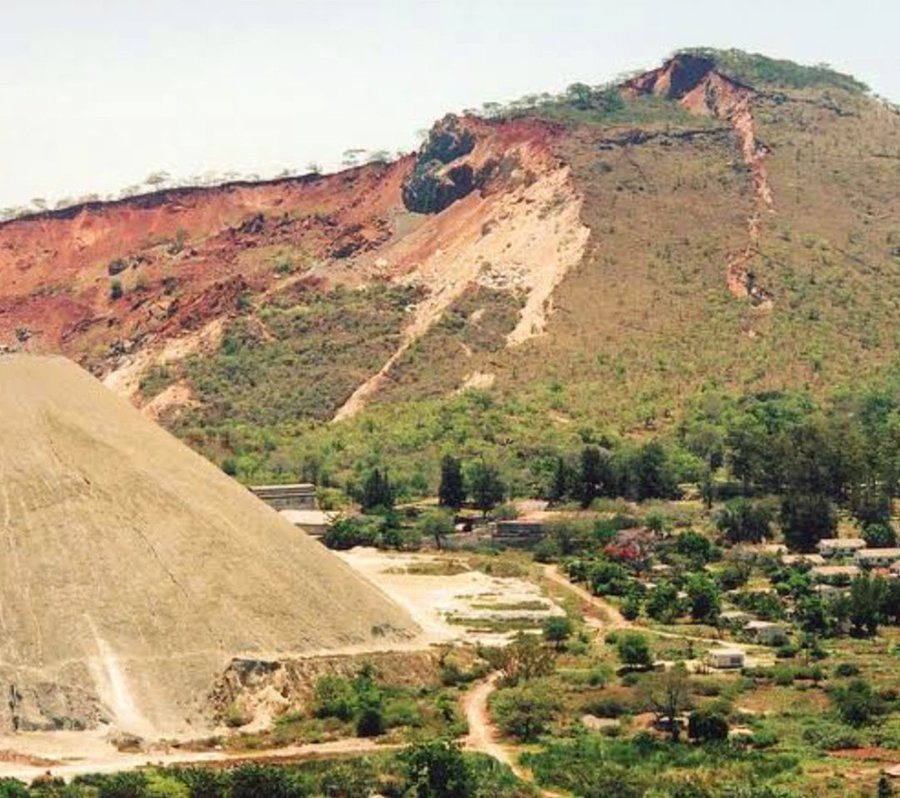
The same story repeats in the gold sector. China reportedly takes a quarter of Zimbabwe’s total gold output, largely through opaque contracts and environmentally destructive mining practices. Vast open-cast mines tear through the countryside, leaving behind barren craters and poisoned rivers. Local communities watch their land destroyed while a handful of elites pocket kickbacks. Environmental laws are ignored, and when citizens complain, they are silenced or branded “anti-investment.”
This pattern of exploitation began years ago in Marange. Between 2008 and today, an estimated $30 billion worth of diamonds has been extracted from those fields. Yet the people of Marange remain in poverty, their region still without decent schools, clinics, or roads. The beneficiaries are Chinese corporations and Zimbabwe’s powerful generals, who live lavishly while the miners who dig the diamonds can barely feed their families. That is not partnership—it is theft.
Even China’s so-called infrastructure investments serve their own agenda. Projects like the Hwange Power Station were built at inflated costs and designed primarily to power Chinese-run industries, not Zimbabwean households. Chinese firms build private coal plants for their mines, secure cheap coal, and leave ordinary citizens paying higher electricity tariffs. The planned port in Mozambique, too, exists not for Africa’s integration but for China’s export efficiency.
There is also no value addition in what we export. Steel billets, lithium concentrate, and ferrochrome are shipped out raw, leaving Zimbabwe with scraps of economic benefit. The government speaks of industrialization, but allows others to do the processing abroad. In the end, China grows stronger while we remain stuck exporting stones and dust.
The Belt and Road Initiative, often praised as an engine of development, is proving a trap for nations like ours. Look at Kenya and Ethiopia—drowning in debt from overpriced Chinese projects. Zimbabwe must not follow that path. We must learn to negotiate as equals, not as beggars. Chinese firms should employ locals, pay fair taxes, and respect environmental laws.
Our leaders must stop selling the country piece by piece. The people must demand accountability, transparency, and justice. Zimbabwe is not poor; it is being looted. The time has come to end this cycle of betrayal, to take back control of our destiny, and to ensure that our nation’s wealth benefits its rightful owners—the people of Zimbabwe.


