BRUTALITY AT TIMBA’S HOME: A REGIME AFRAID OF ITS OWN PEOPLE
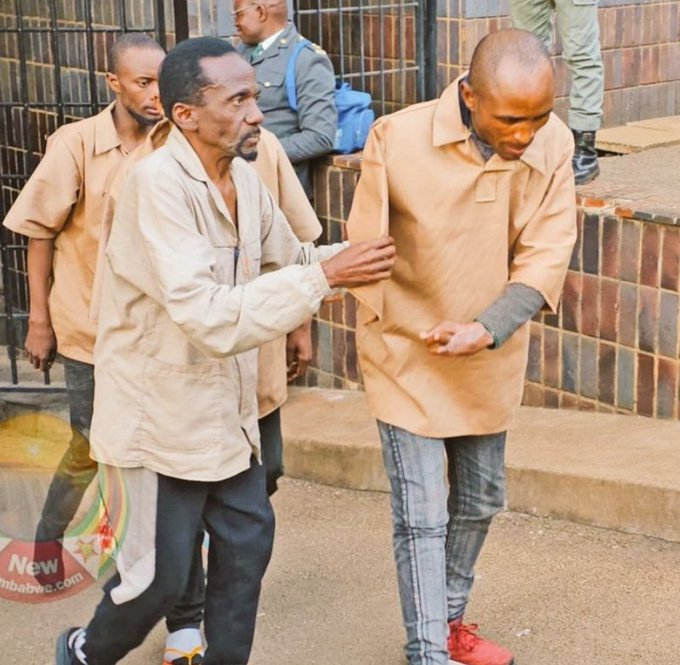
Three weeks ago, armed riot police descended on Senator Jameson Timba’s Harare residence in a violent raid that tore through the quiet dignity of a private commemoration. What began as a simple braai to honour the Soweto Uprising—a solemn nod to young people who resisted apartheid—was transformed into a theatre of terror. Without a warrant, officers stormed the property, beating guests and even passers-by, dragging them across the ground as if the Constitution were disposable. A lawful gathering was crushed to send a message: in today’s Zimbabwe, even memory itself is treated as dissent.
Seventy-eight young people were seized, many of them innocent bystanders swept up for the misfortune of walking past a senator’s gate. Eyewitnesses describe bodies hurled into the pool, teargas burning lungs, and forced shuffles on kneeling knees toward waiting trucks. Limbs were fractured, faces bloodied, voices strangled into silence. Medical care was withheld or delayed. Those youths now languish in jail, nursing injuries and trauma for the “crime” of remembering history and sharing food on private property. It is punishment first, process later, justice never.
Among the arrested was Senator Timba’s son, visiting his father for Father’s Day. That detail captures the moral rot at the heart of the operation. This was not policing; it was humiliation as policy. If a senator’s family can be brutalised inside his home, what chance does an ordinary citizen have on a dusty street with no cameras and no witnesses? This is arbitrariness weaponised—a repudiation of the rights to assembly, dignity, and protection from unlawful detention that our laws promise but this regime routinely betrays.
The law is clear: arrested persons are entitled to bail, humane treatment, and a speedy, fair process. Yet these young citizens remain incarcerated without trial, their cases stretched by delay while state power postures as justice. It is political persecution, designed to chill dissent, sap civic courage, and warn every organiser that a peaceful gathering can be turned into a penal sentence at the whim of a baton. A government that fears a braai fears its people; a government that fears its people cannot claim a mandate to lead them.
The implications reach far beyond one yard in Harare. When youths learn that participation equals punishment, they retreat from public life, and democracy withers in the hush. Zimbabwe does not need more truncheons at night; it needs daylight, oversight, and a police service that protects rights instead of trampling them. Accountability must be immediate and real. Officers who planned and executed the raid should be identified, suspended, and prosecuted. Commanders who authorised warrantless entry, assault, torture, and unlawful detention must answer publicly. Prosecutors must remember their oath is to the law, not to a party. Courts must enforce bail, medical access, and speedy hearings. Parliament must demand answers, not platitudes.
But accountability is only the beginning. We need reform that rewires policing culture from regime protection to citizen protection: independent complaints bodies, body-worn cameras, strict limits on crowd-control weapons, and human-rights training that is enforced, not laminated and forgotten. Civil society and the legal fraternity must document every injury, every denial of care, and every procedural abuse until the record is so complete that denial becomes laughable and sanction becomes unavoidable. International partners should add their voices, but the loudest chorus must come from within.
Our community stands at a fork in the road. We can internalise fear and whisper, or we can speak with the full voice of a generation that refuses to inherit cowardice. The raid at Timba’s home was not an isolated outrage; it was a test of whether we still believe in our Constitution’s promise. We must answer with solidarity, legal action, and relentless public pressure—until those seventy-eight are free, the guilty are punished, and the message is unmistakable: Zimbabwe belongs to its citizens, not to their intimidators.


