A GRACEFUL CONCESSION THAT SHAMES ZANU PF’S DICTATORSHIP
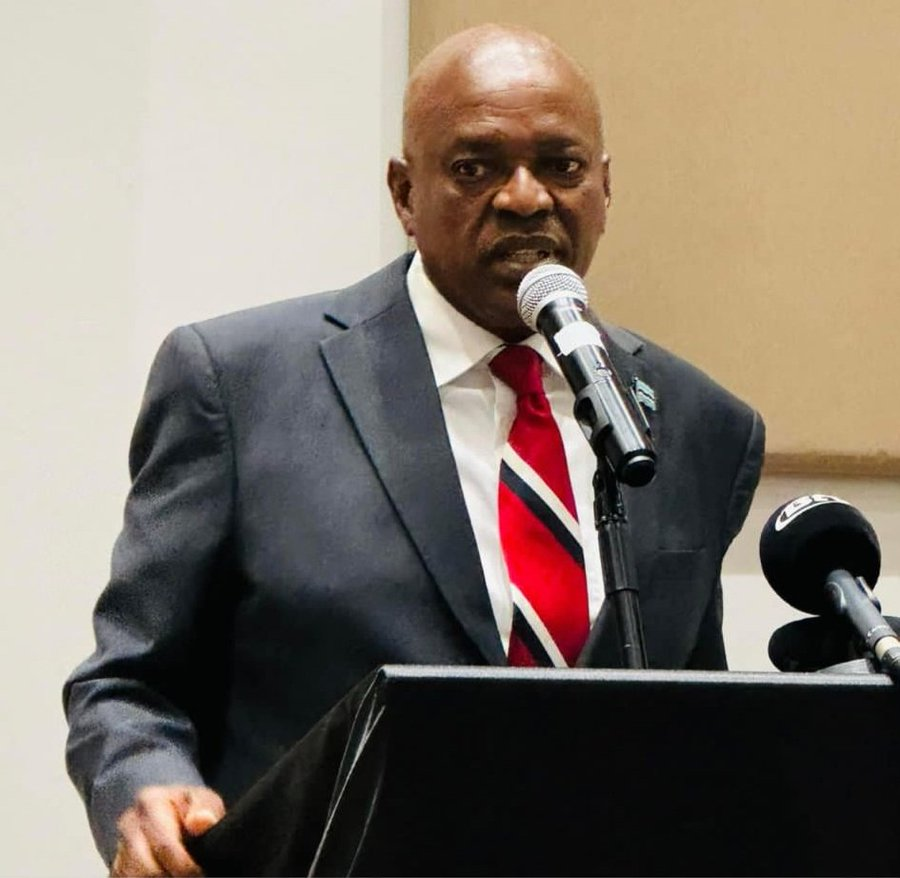
Botswana’s President Mokgweetsi Masisi has done what many African leaders refuse to do—he has conceded defeat, congratulated his opponent, and pledged to support a peaceful transfer of power. His concession to opposition leader Duma Boko, a Harvard-trained lawyer and the head of the Umbrella for Democratic Change, is not just a victory for Botswana, but a powerful message to the entire continent. While his decision may come as a shock to some, it is a moment of political maturity that stands in stark contrast to the authoritarian tendencies of his close ally, Emmerson Mnangagwa of Zimbabwe.
In an era where incumbents cling to power at all costs, Masisi’s graceful exit offers a refreshing glimpse of what democracy should look like. His statement was clear, sincere, and filled with humility. “Starting tomorrow or, as in my discussion with the president-elect, at a time convenient to him, we will begin all administrative work to facilitate the transition, and I assure you that I will not take any actions to hinder or slow down this process.” These are not just words—they are a mirror to Zimbabwe’s broken system, where leaders refuse to bow to the will of the people and instead resort to violence, rigging, and repression to stay in office.
President Masisi’s actions expose ZANU PF’s moral bankruptcy. While Mnangagwa uses military force, fake court rulings, and captured institutions to block any democratic process, Masisi is handing over unfinished government business to his successor without a fight. He is not burning documents, arresting opposition leaders, or unleashing state agents to harass civil society. Instead, he is ensuring that Boko has what he needs to govern effectively from day one. That’s leadership.
Masisi’s declaration that he will continue serving “within the parameters of our constitution” is a lesson for Mnangagwa, who treats Zimbabwe’s constitution like a disposable napkin. In Botswana, the law still means something. In Zimbabwe, the law bends to the whims of the ruling elite. This is why Zimbabwe’s elections are a joke, our institutions are hollow, and our people continue to suffer.
Even in defeat, Masisi is choosing to stand with his country. He is not building a rival faction or plotting a comeback through the backdoor. He has expressed hope for a strong, united Botswana where every citizen has a chance to thrive. He is even planning to attend Boko’s inauguration—a symbolic yet powerful act that reflects political maturity. Compare that to Zimbabwe, where opposition victories are reversed, and those who dare challenge the regime are jailed, beaten, or disappeared.
Masisi’s concession isn’t just a local event—it is a continental wake-up call. It is a reminder that peaceful transitions are possible in Africa. That democracy is not a Western import but an African right. And that it is entirely possible for an incumbent to lose an election and still walk away with dignity.
In the end, Duma Boko’s victory is not just his alone. It belongs to every African who dreams of a better, freer continent. And Masisi, through his actions, has become part of that dream. His legacy will not be measured by the power he held, but by the power he willingly gave up for the sake of his country.
Zimbabwe, are you watching? This is what real leadership looks like. Not staged rallies, not stolen elections, not silencing dissent—but humility, accountability, and a genuine respect for the people. President Masisi has done what Mnangagwa never could: he has put his country first.


